


The migration from CHIEF to CDS is finished. CHIEF closed for imports in September 2022 and for exports in March 2023. Every customs declaration in the UK now runs through the Customs Declaration Service. In the 2024-25 financial year, CDS processed over 91 million declarations covering more than £1 trillion in trade goods movement.
The transition that dominated the industry conversation for three years is over.
The one that will reshape how UK customs actually works is just getting started.
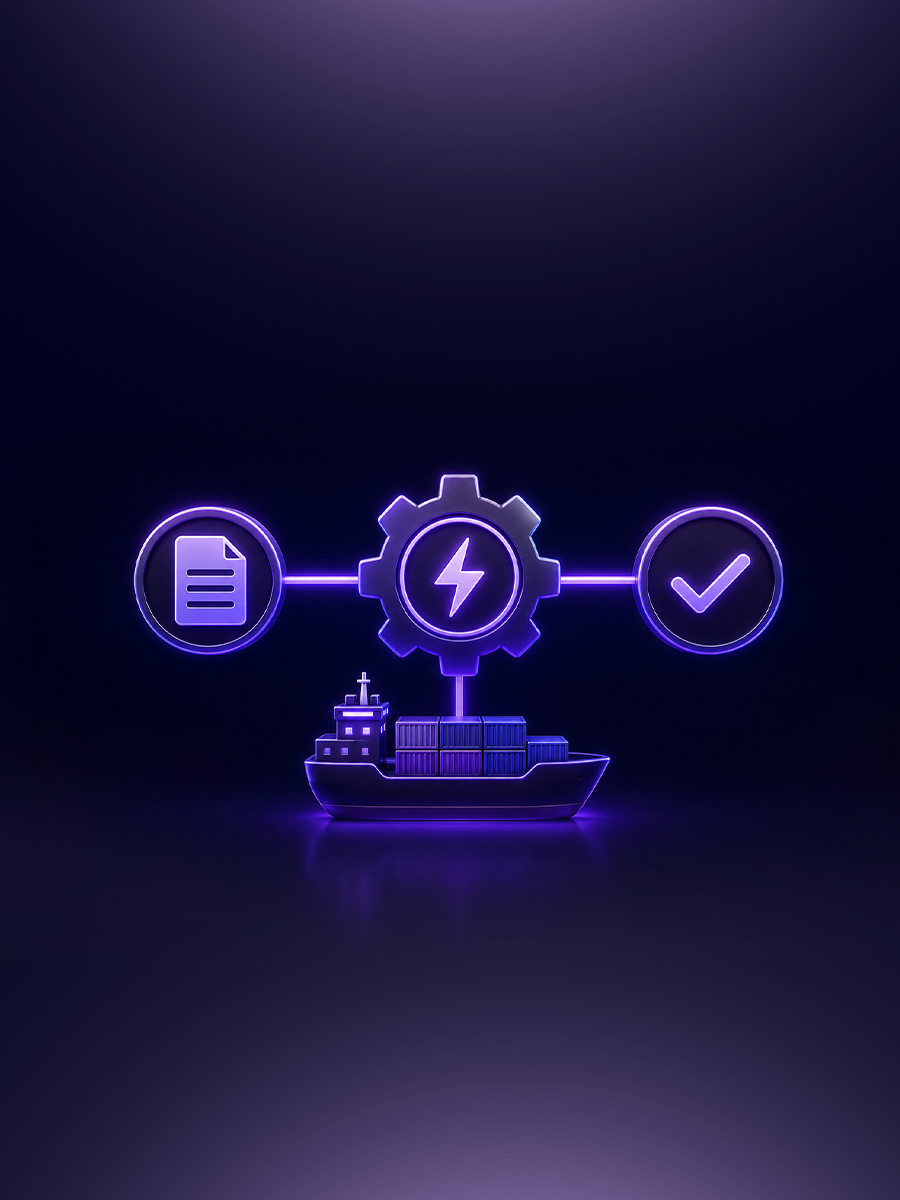
In June 2026, HMRC and HM Treasury launched a formal call for evidence — closed in September — asking a question that goes well beyond system migration: whether the UK's traditional declaration-based customs model is still appropriate for a digitally-enabled supply chain. The review explores replacing manual declarations with data flowing directly from commercial trade systems, using AI for risk assessment, and processing electronic trade documents instead of requiring brokers and traders to re-key information the supply chain already holds.
This is not an incremental upgrade to CDS. It is a fundamental rethink of how customs works in the UK — and every freight business moving goods through UK borders needs to understand what it means.
What CDS Delivered — And Where It Tightened in 2026
CDS replaced a system that had been operating since the 1990s. CHIEF was functional but rigid — built for a pre-Brexit era when the UK operated within EU customs frameworks and the volume of standalone declarations was a fraction of what it became after January 2020.
CDS was designed to handle that volume and accommodate the complexity of dual trade tariffs, Northern Ireland Protocol provisions, and the UK's independent trade agreements. It took longer than planned — the transition ran years behind schedule and the early versions were, by the industry's own assessment, dramatically descoped from what had been promised. But CDS matured, stabilised, and is now the operational backbone of UK customs processing.
What changed in 2026 is that HMRC started using that stability to raise the bar.
- Stricter commodity code validation. CDS now cross-checks commodity codes more rigorously against goods descriptions. Vague entries — "parts," "components," generic descriptions that passed under CHIEF — face increased scrutiny and rejection.
- Enhanced data requirements. Declarations now demand information that was previously treated as optional: detailed valuation breakdowns, expanded origin documentation, and additional procedure codes for special schemes.
- Tighter supplementary declaration enforcement. High-volume operators using simplified procedures are finding that late or inconsistent follow-up declarations are flagged quickly. The grace period the industry had grown accustomed to is narrowing.
- Safety and security alignment. CDS entries now undergo closer scrutiny against safety and security filings, with particular attention to discrepancies in weights, values, and consignor information.
The practical impact: declarations that would have cleared under CHIEF's lighter validation — or even under CDS's earlier, more permissive configuration — are now generating queries, holds, and rejections. The system is no longer just processing declarations. It is actively checking them.
The Border Is Now Fully Operational — And Fully Enforced
Running alongside CDS, the UK's Border Target Operating Model reached full implementation in March 2026. The framework that governs physical inspections, sanitary and phytosanitary checks, and entry summary declarations is now complete across all three phases:
- Phase 1 (January 2024) introduced basic customs controls and entry summary declarations for high-risk goods
- Phase 2 (January 2025) made entry summary declarations mandatory for all imports
- Phase 3 (March 2025) brought full phytosanitary and veterinary inspections at Border Control Posts
Every good entering the UK now requires an Entry Summary Declaration submitted before arrival. Physical inspection rates range from 2–5% for low-risk industrial goods to 50–100% for high-risk animal and plant products. Border holds are routine for high-risk categories, and carriers are charging waiting fees.
For freight businesses, the message is straightforward: the UK border is no longer operating in transition mode. The full compliance framework is live, enforced, and tightening. The operational cost of a poorly prepared declaration — in delays, charges, and customer impact — is higher than it has ever been.
The Bigger Shift: From Declarations to Data
This is where the conversation moves beyond CDS.
HMRC's customs modernisation review is not asking how to improve the declaration process. It is asking whether the declaration process itself is the right model for a modern, digitally connected supply chain.
The logic is direct. A customs declaration is, fundamentally, a document in which a trader or broker re-enters information that already exists somewhere else in the supply chain — on the commercial invoice, the bill of lading, the air waybill, the booking confirmation, the inventory record. The declaration process takes that distributed data, requires a person or system to compile and reformat it, and submits it to HMRC in a prescribed structure.
HMRC is now exploring whether that entire step could be replaced — or significantly reduced — by drawing customs data directly from commercial supply chain systems. Electronic trade documents, logistics platforms, inventory systems, and digital shipping records already contain most of what a customs declaration requires. The question is whether those sources can feed risk assessment directly, rather than being translated into a declaration first.
What HMRC is testing: AI-enabled real-time documentary checks, automated processing of electronic trade documents under the 2023 Electronic Trade Documents Act, and risk assessment models that draw on supply chain data rather than relying solely on submitted declarations. Their own assessment: "most customs risking data requirements can be met from ETDs and other supply chain data."
This is the trajectory. Not next year, and not overnight — but the direction of travel is clear. The UK is moving toward a customs model where data flows from the supply chain to the border, rather than being compiled and submitted by an intermediary.
What This Means for Freight Businesses
Three implications are worth understanding now.
The role of customs intermediaries is being actively questioned. HMRC's call for evidence explicitly asks what "opportunities and challenges" data-driven customs creates for intermediary relationships. As automated, data-integrated systems develop, the traditional declaration-preparation service — the core commercial offering of most customs brokerage operations — will face structural pressure. The intermediaries that evolve toward advisory, compliance governance, and classification expertise will hold their value. The ones whose offering begins and ends with keying declarations will find that offering automated away.
System configuration and data quality become competitive advantages. A customs model that draws data from logistics platforms and trade documents rewards businesses whose systems produce clean, structured, standards-compliant data. Every integration point between your operating platform and HMRC's systems becomes a surface where data quality either accelerates clearance or creates friction. The investment in getting CDS-facing data structures right is not just a compliance exercise — it is pre-positioning for the model that comes next.
The transition window is shorter than it appears. Digital ATA Carnets launched in June 2026 — the UK among the first adopters globally. Mandatory e-invoicing for all VAT invoices arrives in April 2029. The Online Trade Tariff is being redesigned with AI capabilities. Each of these is a step in the same direction: digitised, automated, data-driven border processes. Businesses that treat each change as a standalone compliance task will spend the next three years reacting. Businesses that understand the direction will invest once and build forward.
Where This Leaves the Industry
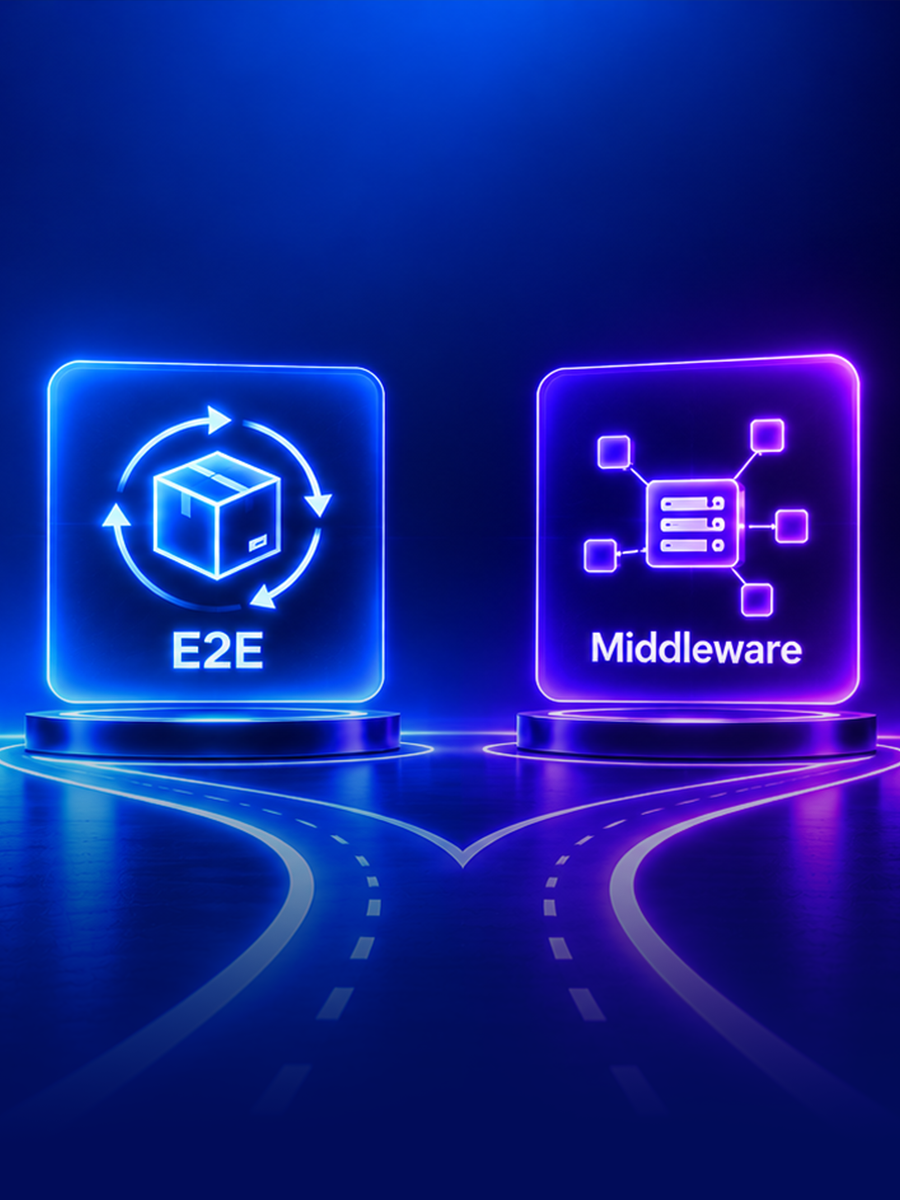
The CHIEF-to-CDS migration was a platform change. It replaced an ageing system with a modern one, and for all the disruption it caused, the underlying model stayed the same: compile a declaration, submit it to HMRC, wait for clearance.
What HMRC is building now is different. It is a customs environment where data moves through integrated systems rather than being assembled by people, where AI handles risk assessment that humans currently perform manually, and where the border operates on supply chain intelligence rather than submitted paperwork.
CDS is the foundation for that environment. Businesses that configured their systems properly for CDS — clean master data, accurate commodity classifications, structured workflows, reliable integrations — are positioned for what comes next. Businesses running minimal CDS compliance, with manual workarounds and unstructured data, will face the same painful transition again, except next time the gap between where they are and where the system requires them to be will be wider.
The UK customs landscape is not settling down after the disruption of the last five years. It is accelerating. The businesses that recognise that now have time to prepare. The ones that don't will discover it when the next deadline arrives.
Sources:
.png)
.png)

.png)

.png)






.png)
.png)







.png)

.png)

.png)



.png)









.png)




.png)












.png)












.png)






.png)
.png)