
How SFL helped a regional logistics provider strengthen group-wide control across Finance, Operations and Administration while increasing automation across six Southeast Asian offices.
The client had adopted CargoWise early and built the platform into its operation across Southeast Asia. As the business expanded, however, each office had developed around its own local setup, policies and ways of working.
For a company with more than 250 employees across six offices, that was beginning to limit the value of operating on one global platform.
Head office wanted a clearer view across the individual companies. Finance needed a common structure that could support accurate and timely group reporting. Operations wanted to make greater use of CargoWise automation and improve real-time shipment visibility. At the same time, each country still needed enough autonomy to run its local operation effectively.
The requirement was to realign the existing CargoWise environment around the way the group now needed to operate.
The Client
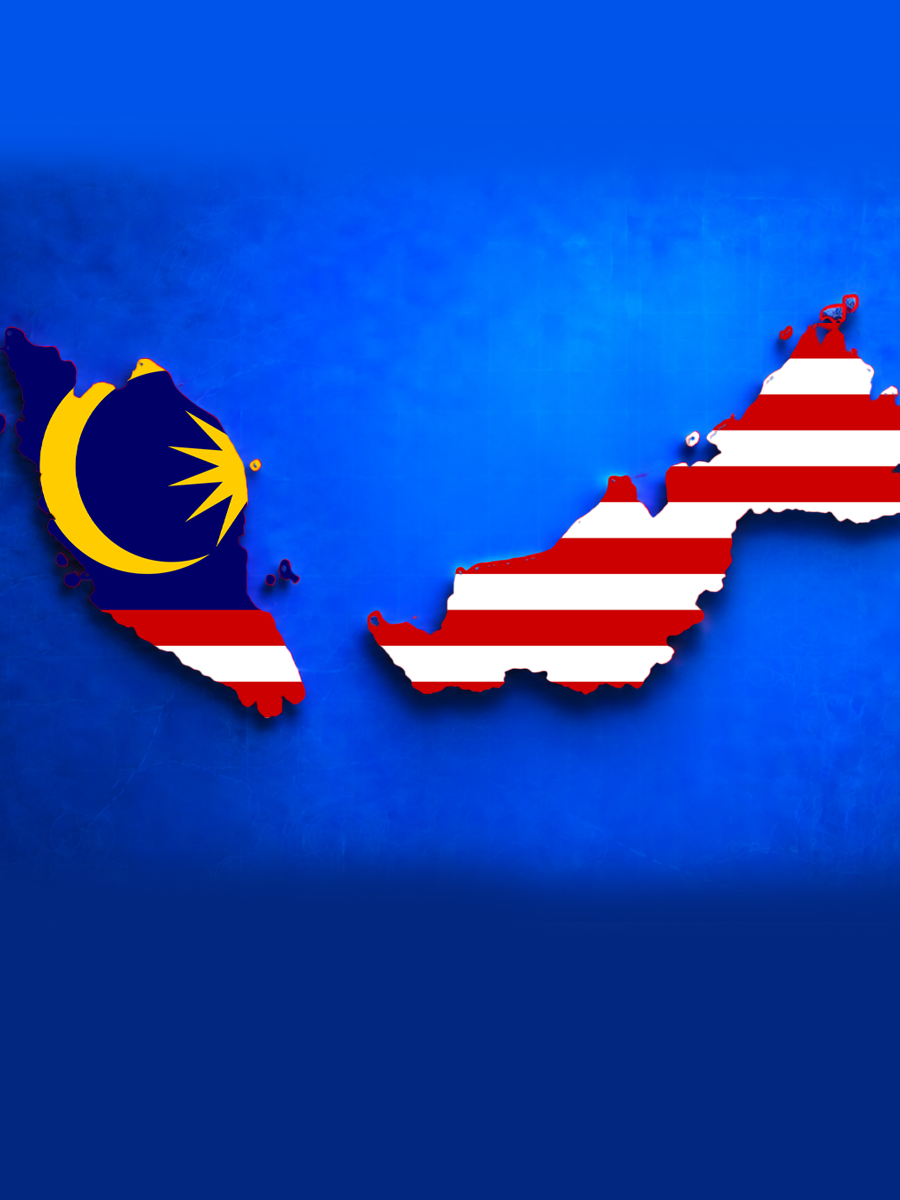
The client is a Malaysia-headquartered regional logistics provider with 250+ employees across six offices in Southeast Asia.
Its service portfolio spans freight forwarding, road transport and warehousing. As an early CargoWise adopter, the company already had platform experience and an established internal superuser capability.
The next stage was to bring greater consistency across the group without removing the flexibility individual offices needed to manage their local operations.
The Challenge: One Platform, Different Operating Models
The challenge appeared across three areas of the business.
Administratively, CargoWise was being used largely on a standalone basis within the individual offices. This limited head office’s ability to see the group as one operation and made it harder to maintain common policies around areas such as master data, structural changes and system governance.
Operationally, the business wanted to use more of CargoWise’s automation capability. Manual activity was still present in processes that could be handled more systematically, while management wanted better visibility of job status across the organisation and more consistent information for customers.
Finance faced the most significant structural issue. The companies did not share one global chart of accounts, which made consolidated management reporting harder to produce. Information generated from CargoWise was also being recreated in spreadsheets for reporting, creating unnecessary duplication and increasing the opportunity for inconsistencies between operational and financial views.
The business needed to preserve local execution while creating stronger group-level control over Finance, reporting, policies and system performance.
The SFL Solution: Realigning CargoWise Around the Group
SFL began with a system audit to understand how CargoWise was being used across the companies and identify where configuration, process and automation could be strengthened.
The audit gave the client a clear roadmap rather than a collection of isolated recommendations. From there, the work moved across Finance, governance, operational automation and connectivity.
Establishing a Common Financial Structure
Finance was the foundation. SFL worked with the client’s superuser team during a four-day onsite workshop, using the sessions to align users around a new group chart of accounts and the financial structures required to support it.
Job Management, General Ledger structures and Charge Codes were then configured to support a more consistent financial model across the companies. System-generated reporting was introduced so management could draw more information directly from CargoWise rather than recreating the same reports manually elsewhere.
Rates and Tariffs were also brought into greater use. Quotes could be captured through CargoWise, while auto-rating and auto-costing reduced the manual work required before invoicing.
That change produced one of the clearest measurable outcomes from the programme: invoicing speed increased by 30–50%.
Giving Head Office Control Without Centralising Every Decision
The group also needed stronger governance.
SFL created security-right structures that allowed country operations to remain decentralised while giving corporate management control over the areas that required consistency at group level.
Policies and documentation were introduced around areas such as master data, new departments and system maintenance, giving the client clearer standards for how the environment should be managed as the organisation continued to grow.
This created a more balanced operating model. Local teams retained responsibility for running their businesses, while head office gained stronger oversight of the structures and controls that affected the group as a whole.
Moving More Operational Activity Into CargoWise
Once the structural foundations were in place, SFL focused on increasing the amount of work the system could manage directly.
Invoice approval was automated. Dashboards were customised to improve visibility of job status and operational performance. Processes around carrier messaging were redesigned to remove duplicate entry where information could instead move electronically.
Rates, reporting and workflows increasingly became part of one connected CargoWise process rather than separate activities managed around the system.
The wider connectivity work also included two customs integrations and 45 EDI messaging flows across the UK and USA, extending automation beyond the client’s internal processes.
Building Internal Capability to Maintain the Model
The programme was designed so the client’s own team could continue managing the environment after the initial optimisation work.
SFL trained the superuser team on the capabilities, controls and structures required to operate the redesigned setup. Supporting documentation provided guidance on how those standards should be maintained as the business introduced future changes.
The result was not simply a more automated CargoWise environment. It was an operating model the client’s internal team could continue to govern.
The Results
The programme delivered measurable gains across Finance, visibility, governance and automation.
- 30–50% faster invoicing — Greater use of auto-rating and auto-costing reduced manual effort in the billing process and accelerated invoice generation.
- 360° head-office visibility — Corporate management gained clearer oversight of the individual companies while country teams retained responsibility for local execution.
- Real-time visibility of job status — Customised dashboards and more structured operational workflows gave teams and management a clearer view of activity across the organisation.
- 45 EDI messaging flows and 2 customs integrations across the UK and USA — Electronic connectivity reduced duplicate handling and extended automation beyond internal CargoWise processes.
- 100% remote-working capability enabled through system automation — More workflows, approvals, reporting and operational activity could be managed directly through the platform.
- 100% of superusers trained on the required capabilities — The client’s internal team was equipped to maintain the structures, controls and processes introduced during the programme.
Taken together, these improvements moved the business closer to one coordinated regional operating model without forcing every office into the same day-to-day way of working.
From Local CargoWise Use to Group-Wide Control
The client had already made the technology investment. The opportunity was to make that investment work more effectively across the organisation.
SFL helped bring Finance, governance, reporting and automation into a more consistent structure while preserving the autonomy local offices needed to operate effectively. A common chart of accounts strengthened group reporting. Security rights created clearer corporate control. Automation reduced unnecessary intervention. Dashboards improved visibility. And the superuser team was given the knowledge required to maintain the environment going forward.
For a multi-office CargoWise operation, that is the real value of optimisation: not adding features for the sake of using more functionality, but aligning the platform around the way the business now needs to operate.
Has Your CargoWise Environment Grown Office by Office?
As logistics businesses expand, CargoWise environments can gradually develop different processes, reporting structures and controls across locations.
SFL Tech helps mature CargoWise users audit those environments, identify where standardisation will add value, and redesign Finance, governance, workflows, Rates, reporting and integrations around a stronger group operating model.






.png)

.png)
.png)