.png)

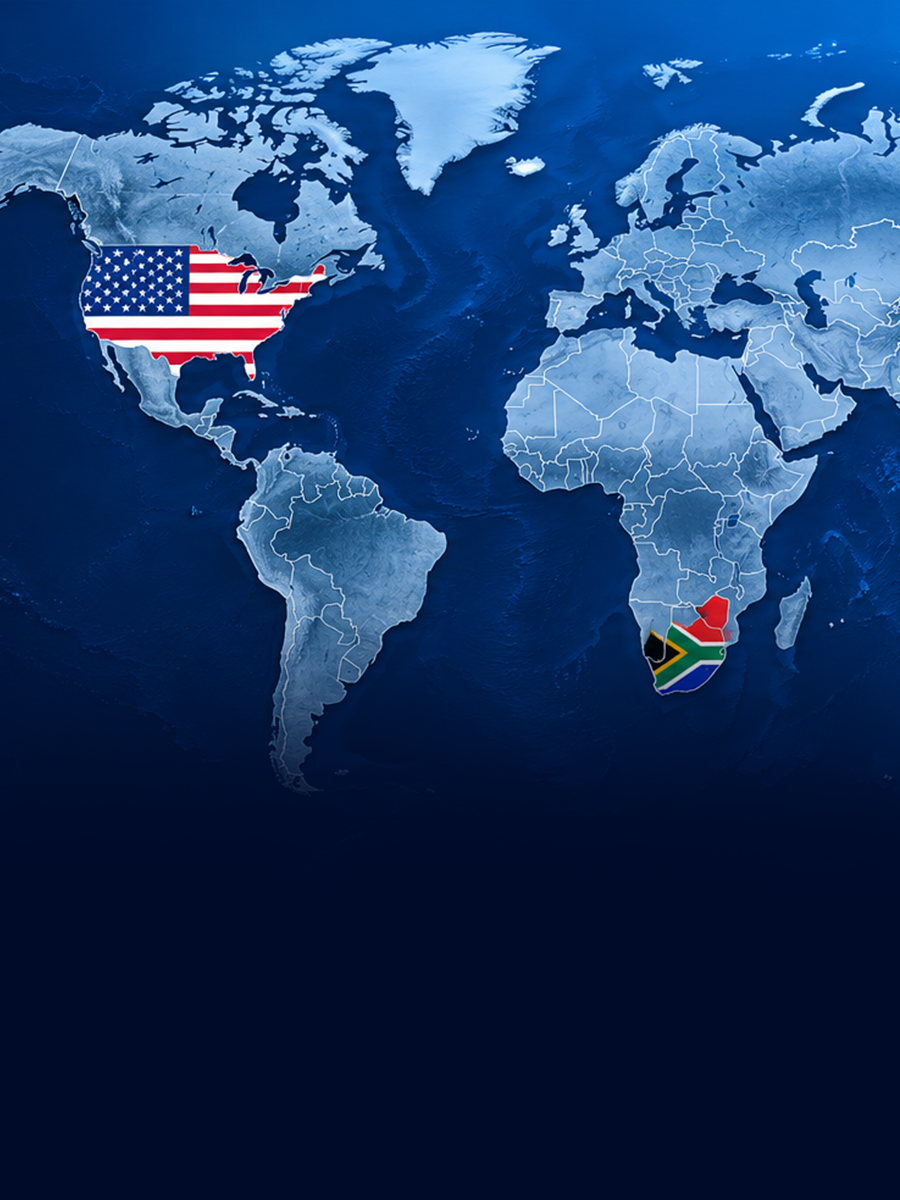
Somewhere inside this freight forwarding business — a company with strategic offices in the USA, UK, India, and Turkey — there was a department that should not have needed to exist.
Not operations. Not sales. Not compliance. A centralised data processing division, staffed and funded and managed as its own function, whose entire purpose was to take the same shipment data and enter it into four different software systems so the business could function as one company.
Each country office had chosen the software that best fit its local requirements. That made sense at the time — the UK office needed a system that handled UK customs declarations and VAT filing. The US office needed one that handled AMS filing and US customs. India had its own geo-compliance requirements. Turkey had its own invoicing rules. Four countries, four regulatory environments, four different platforms. Each one working well enough on its own.
But the business was not four companies. It was one — and the moment anyone in management tried to see it that way, the picture fell apart. There was no consolidated view of operations. No single source for financial reporting across entities. No way to track a shipment's full lifecycle when the origin office used one system and the destination office used another. The leadership team could not dedicate time to identifying performance gaps because the complexity of navigating four different operating systems consumed the time they would have spent on strategy.
So they built a department to bridge the gap. A team whose daily work was not forwarding freight or clearing customs or managing customer accounts — it was maintaining data integrity across four incompatible platforms. Keying the same master data into four systems. Reconciling records that should have matched but did not. Making sure that what the London office entered looked the same as what New York could see — manually, every time.
That department was not a solution. It was the cost of not having one.
The Problem Was Not the Software. It Was That There Were Four of Them.
Each system, individually, was doing its job. The UK office cleared customs. The US office filed AMS declarations. India maintained geo-compliance. Turkey produced compliant invoices. Within each country, the work got done.
The problems lived in between.
A customer shipping from the UK to the US expected a single, consistent service experience — one set of milestone updates, one view of their shipment, one invoicing standard. What they got depended on which office was handling which leg, which system was producing which document, and whether the data processing team had reconciled the records in time. Cargo automation that could have been configured once in a unified system had to be maintained separately in each platform. Milestone visibility stopped at the border between systems. Reporting required someone to extract data from four sources and assemble it into something the management team could read.
The forwarder wanted to offer its customers what any competitive freight business needs to offer in 2026: real-time cargo tracking, automated milestone notifications, integrated documentation, and consistent service regardless of which office or country is handling the shipment. None of that was achievable across four siloed systems, no matter how many people they put in the data processing team.
The regulatory complexity made consolidation both urgent and hard
The regulatory complexity made unification urgent — and made it hard.
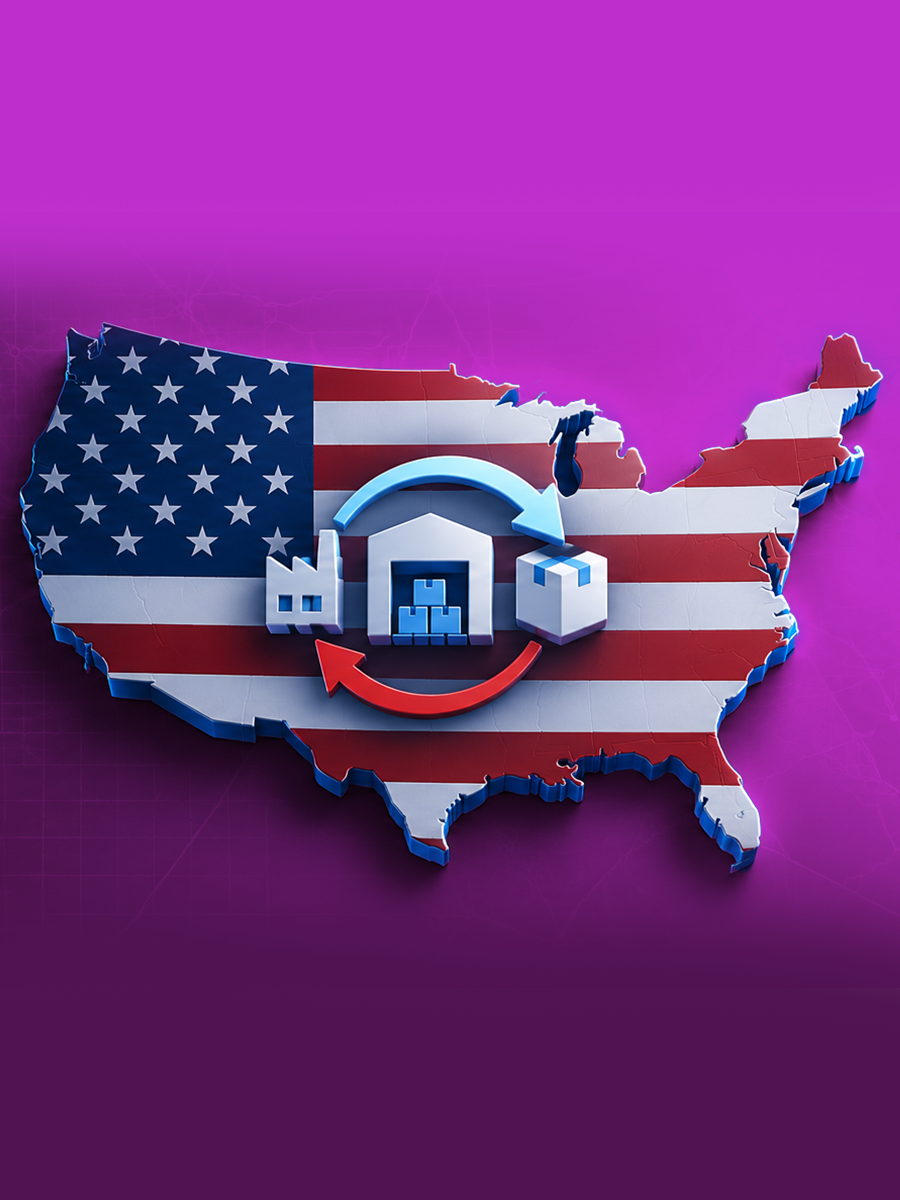
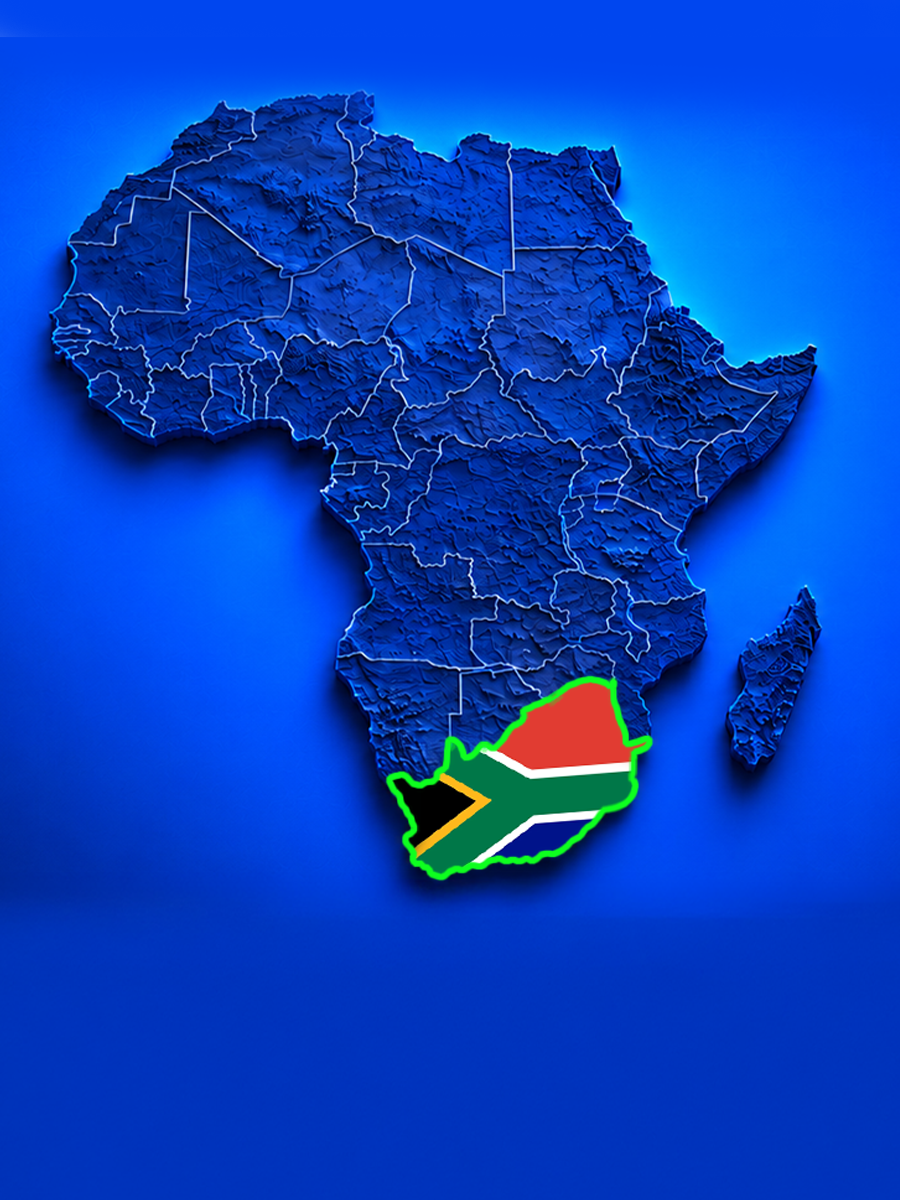
United Kingdom — UK customs declarations and VAT filing. Every import and export passing through the UK office required HMRC-compliant customs entries and VAT treatment configured to current UK trade regulations. The system handling this had to know UK customs, or the office could not operate.
United States — US customs and Automated Manifest System (AMS) filing. US-bound ocean freight requires AMS submissions to US Customs and Border Protection before cargo arrives. Miss the filing window or submit incorrect data, and the shipment does not clear. The US office needed a platform that handled this natively.
India — Geo-compliance. India's regulatory environment for freight forwarding includes GST configuration, TDS compliance, and documentation standards that differ from every other country the business operated in. Compliance was not optional, and it was not simple.
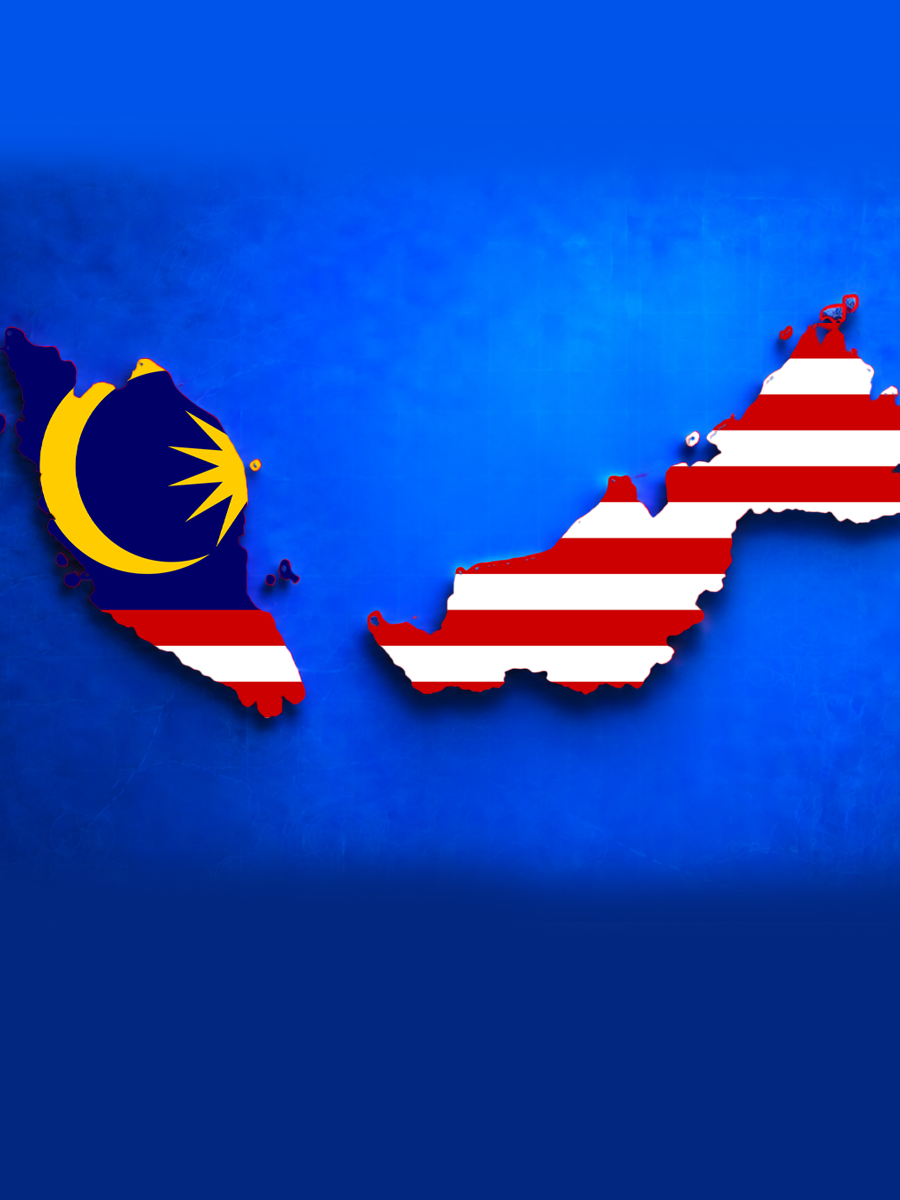
Turkey — Invoice compliance. Turkish invoicing regulations required specific formatting, tax treatment, and submission standards that none of the other three systems were designed to handle. Where CargoWise was not natively compliant with Turkish requirements, a custom interface with the Turkish government authority would need to be built.
Each of these was a real constraint. No single off-the-shelf system would satisfy all four without configuration expertise in every jurisdiction. And that was exactly the implementation challenge: not just putting everyone on one platform, but putting everyone on one platform that actually works in each country.
Why SFL
SFL was chosen as the implementation and training partner for three reasons: domain expertise in multi-country CargoWise deployments, local presence in the regions that mattered, and deep knowledge of the customs and finance configurations each country required.
This was not a single-office implementation. It was a four-country consolidation where each country brought its own compliance requirements, its own operational workflows, and its own team that had been working in a different system for years. The implementation partner needed to understand UK customs and VAT as fluently as US AMS filing, Indian GST and TDS as fluently as Turkish invoice compliance — and configure all of it inside a single CargoWise environment that every office would share.
SFL had delivered exactly this kind of work across 895+ implementations in 50+ countries. Multi-country, multi-compliance, multi-entity — with Platinum certification held across every CargoWise module including Forwarding, Customs, Accounting, Warehousing, Workflow, and Integration. The team that would configure UK customs was the same practice that had built HMRC-compliant environments across the UK. The team handling US customs and AMS had done it across North American freight operations. India's GST and TDS requirements were configurations SFL had deployed across 25-office simultaneous go-lives on the subcontinent.
For a forwarder that needed every country to go live on one system without a single compliance gap, SFL brought the certainty that each jurisdiction would be configured correctly — not generically.
What SFL Delivered
SFL took the engagement through a structured implementation methodology — starting with a detailed requirement mapping of each country's operations, building a module proposal that addressed every compliance and operational gap, and deploying CargoWise One as the single platform across every office and jurisdiction.
1. Requirement Mapping Across Four Jurisdictions
Before any configuration began, SFL conducted a country-by-country requirement analysis — not a generic discovery exercise, but a detailed mapping of what each office needed the platform to do, what compliance obligations it had to satisfy, and what operational workflows would need to change.
The UK office needed customs declarations flowing into HMRC, VAT calculated and filed correctly, and the forwarding workflow configured to UK trade requirements. The US office needed AMS filing integrated into the booking workflow, customs entries submitted to CBP, and the financial configuration aligned to US accounting standards. India needed GST and TDS compliance built into every transaction. Turkey needed invoice compliance configured to local government standards — including a custom integration where CargoWise's native capability did not cover the requirement.
Each country's requirements were documented, mapped to CargoWise module capabilities, and signed off before the project moved into configuration. No assumptions carried forward. Every gap between what the business needed and what the platform offered out of the box was identified and scoped before a single setting was changed.
2. Single-Platform Deployment — Four Systems Replaced by One
The four legacy systems were replaced by a single CargoWise One environment serving every country, every office, and every function. Forwarding, finance, customs, and compliance — all running on one platform, with one data model, one set of master data, and one operational record for every shipment regardless of which country originated it.
The consolidation eliminated the condition that had created the data processing division in the first place. Master data entered once was visible everywhere. A shipment originating in London and arriving in New York existed as a single record from origin to destination — not as two entries in two systems reconciled by a team in between. Financial reporting across entities no longer required manual assembly. The management team could see the business as one business, because the system now treated it as one.
3. Customs and Compliance Configuration — Every Jurisdiction Covered
SFL configured customs and compliance for the UK and US as full production environments — not as generic templates that would need further work after go-live.
UK: HMRC-compliant customs declarations and VAT filing configured end to end.
US: Customs entries and AMS filing configured for CBP submission. 45 EDI messaging connections established — connecting the forwarder's CargoWise environment to carriers, customs authorities, and trading partners across both countries.
India: GST and TDS compliance built into the financial and operational configuration.
Turkey: Invoice compliance configured to Turkish government standards, including a custom-built interface where CargoWise did not offer native compliance for Turkish regulatory requirements.
Two full customs environments. 45 EDI connections across two countries. Four compliance frameworks configured to production standard. Every jurisdiction covered before the first live shipment processed.
4. 100% Staff Trained Across All Modules
Every user across all four countries was trained on the CargoWise modules relevant to their role — forwarding, customs, finance, and workflow automation.
This was not a training programme layered on top of a deployment and left to the business to manage. It was integrated into the implementation as a core deliverable, because SFL's experience across 895+ deployments had demonstrated the pattern clearly: the fastest way to undermine a multi-country implementation is to put a well-configured system in front of a team that does not know how to use it. Staff who revert to old habits — exporting data to spreadsheets, emailing documents instead of using the workflow, bypassing the system because the old way feels faster — create the same silos the implementation was designed to eliminate.
SFL trained every user. Not a selection. Not key users only. Every person who would touch the system, across every office, across every country.
The Results
The department that existed to bridge four systems no longer needs to exist for that purpose.
That is the result that changes the shape of the business. Not incrementally — structurally. The people who were spending their days keying the same data into four platforms, reconciling records that should never have diverged, and assembling reports from incompatible sources are now available for work that moves the business forward rather than work that holds it together.
66 hours per month recovered in data entry alone. 24 weeks per year freed from reconciliation and manual processing. Those numbers do not represent efficiency improvements to the old process — they represent the elimination of work that should never have been necessary.
The management team now has what it could never get from four siloed systems: a single view of the business. Revenue, margin, operational performance, compliance status — visible across every country, every office, every entity, in real time, from one platform. The time the leadership team was spending navigating four different interfaces to understand their own operation is now spent on the decisions that visibility makes possible.
And the service experience the forwarder's customers receive is now consistent regardless of which country is handling their shipment. One milestone tracking system. One documentation workflow. One invoicing standard. The customer does not need to know or care which office is processing their freight — the system behind it is the same everywhere.
Is Your Freight Business Running Multiple Systems Across Multiple Countries?
If your offices are operating on different platforms and your team is spending its time reconciling data instead of managing freight, the problem is not going to resolve itself with better processes. It is a platform problem, and it has a platform solution.
CargoWise One can serve every country, every compliance requirement, and every office from a single environment — but only if the implementation is configured correctly for each jurisdiction from the start. SFL has delivered that configuration across 50+ countries, with Platinum certification across every CargoWise module including Customs, Finance, Forwarding, and Workflow.
.png)
.png)

.png)

.png)






.png)
.png)






.png)

.png)
.png)



.png)







.png)




.png)












.png)











.png)


.png)
.png)