

Freight forwarders have always owned the middle. The middle is no longer enough.
A Conversation That Keeps Coming Up
We keep hearing the same thing from freight forwarding executives across every geography we operate in. The conversation usually starts the same way.
"Our client called. Their end customer received the shipment two days late. They want to know what happened."
And the freight forwarder's honest answer is: "We moved the freight from origin port to destination port on time. What happened before pickup and after delivery to the consignee's warehouse, we don't have visibility into."
That answer used to be acceptable. It no longer is.
Shippers, importers, and brand owners have stopped separating the supply chain into segments when they evaluate their logistics partners. They see one journey. Supplier to shelf. Factory to front door. And they are holding their freight forwarder accountable for the performance of that entire journey, including the segments the forwarder does not directly operate.
The last mile now accounts for 53 percent of total shipping costs. First-mile visibility gaps still trigger cascading delays that only become visible when a customer calls to ask where their goods are. And 60 percent of consumers now tell McKinsey they value reliable delivery commitments over speed.
The freight forwarder who can see, coordinate, and communicate across all three segments of the supply chain holds the client relationship. The one who can only report on the middle is increasingly being reduced to a commodity carrier in the client's eyes, regardless of how well the middle was managed.
The First Mile Problem Nobody Talks About
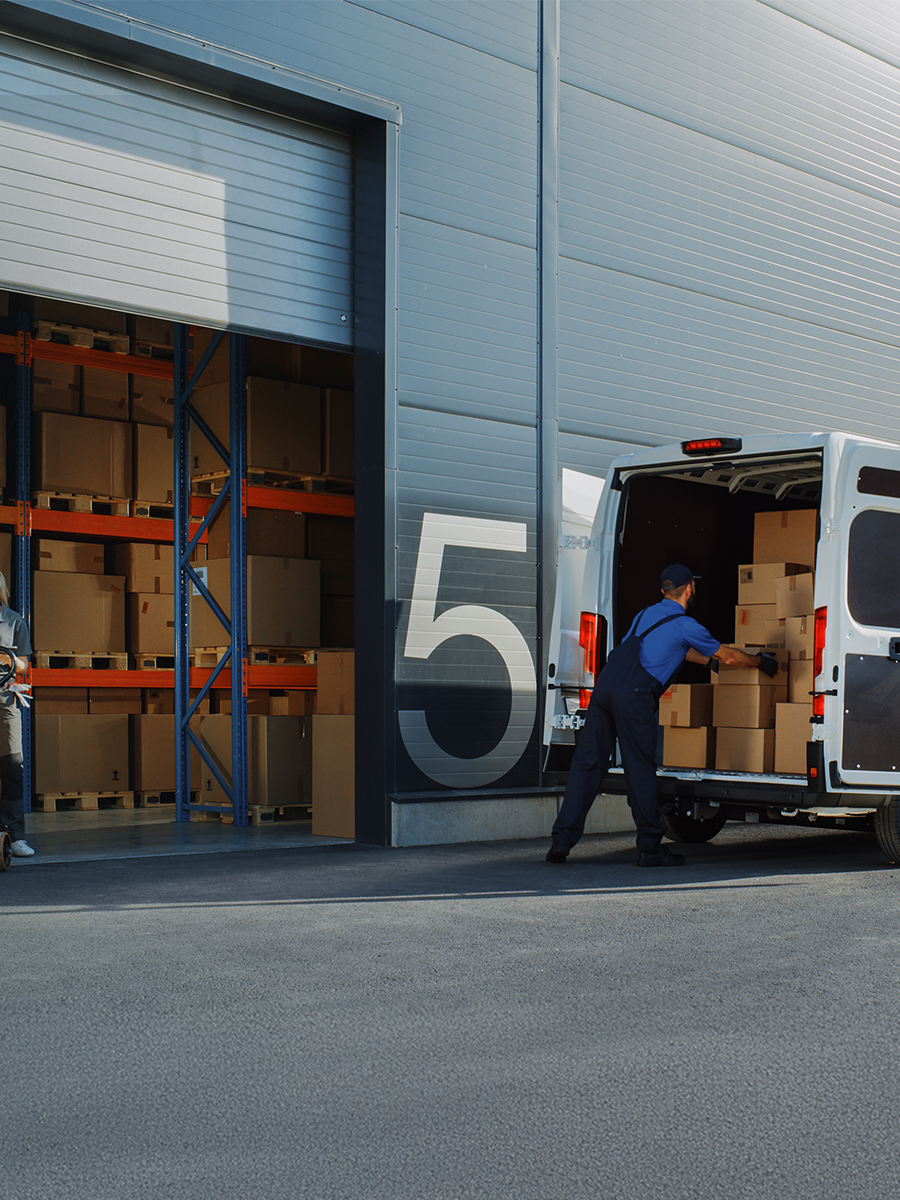
Every freight forwarder has experienced this. Cargo was supposed to be ready on Tuesday. The origin carrier arrived. The goods were not ready. Nobody told the forwarder until Wednesday. By then, the vessel booking was missed, the consolidation window had closed, and the revised schedule added four days to the transit.
The financial exposure from that single failure: demurrage, rebooking costs, amended documentation, a customer who now needs to replan their downstream distribution. All because a pickup did not happen on time and the information did not flow.
First-mile failures are the quietest and most expensive breakdowns in international logistics. They happen at the very beginning of the journey, in the segment with the least visibility and the most manual coordination. Pickup confirmations communicated by phone call. Cargo readiness dates tracked in spreadsheets. Documentation completeness verified only when the freight physically arrives at the consolidation point, by which time it is too late to fix gaps without delay.
The freight forwarder typically finds out about a first-mile failure only after it has already cascaded. The goods arrive late. The documents are incomplete. The cargo condition does not match what was declared. And the response is reactive, because the data that would have enabled a proactive response never reached the forwarder's system in time.
The technology to close this gap exists today. Origin-side tracking that captures pickup confirmation, cargo readiness, and documentation status in real time and pushes it into the forwarder's TMS through API or EDI. The barrier is not capability. It is that most freight forwarders have not yet extended their integration architecture to cover the first mile, because it was historically someone else's responsibility.
That line is dissolving. Fast.
The Last Mile Expectation Shift
Five years ago, a freight forwarder's job ended at the destination warehouse or the consignee's nominated address. Delivery was confirmed. Job complete.
Today, the client wants to know: did the end customer receive the goods? When? Was the delivery window met? Was proof of delivery captured? Was the recipient satisfied? And if something went wrong in the last leg, why did nobody flag it before the customer complained?
This is not a B2C dynamic bleeding into B2B. This is B2B shippers who have internalised the expectations that their own customers bring to every transaction. Real-time tracking. Proactive exception alerts. Digital proof of delivery. The ability to see the full journey from a single interface rather than chasing updates across three carriers, two agents, and a local transport provider who does not return emails.
The freight forwarder who can extend visibility into the last mile, even without operating it directly, offers something fundamentally different from the one who hands off at the port and hopes for the best. That visibility does not require owning trucks or running delivery fleets. It requires connectivity. Data flowing from the last-mile carrier back into the forwarder's system in real time, so the forwarder can provide their client with a complete picture rather than a partial one.
Regulation is accelerating this expectation. Low-emission zones, time-of-day access restrictions, and congestion pricing are active in over 40 major US cities and expanding rapidly across Europe. A freight forwarder who cannot factor these constraints into the delivery plan is creating cost surprises and service failures that the client will not tolerate repeatedly.
The Cascade Nobody Manages
Here is the dynamic that ties first mile and last mile together, and that most freight forwarders are not yet set up to manage.
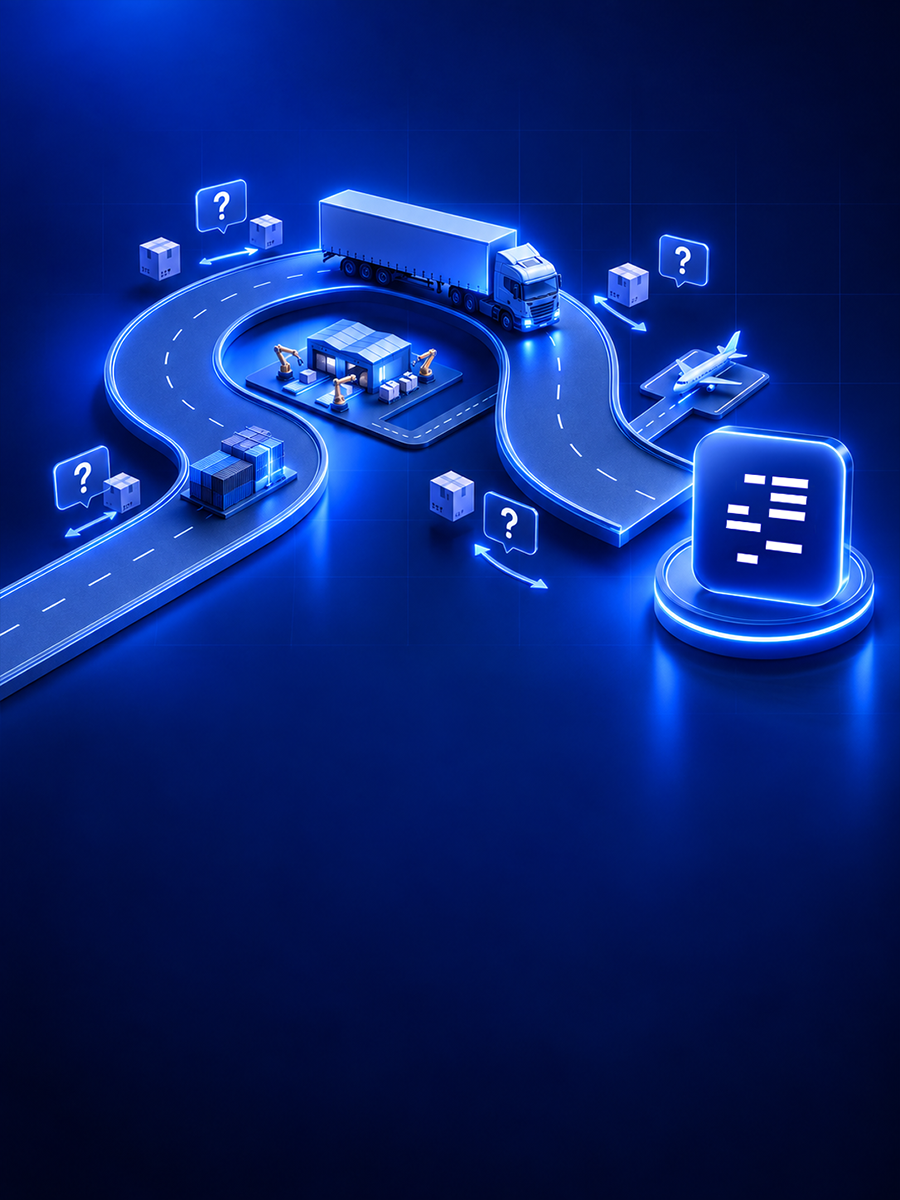
A first-mile delay pushes the shipment off its planned consolidation window. The middle-mile transit happens on schedule, but on a later vessel. The cargo arrives at destination two days behind the original plan. The last-mile carrier has already slotted the delivery into a route based on the original ETA. Now the route needs to be replanned. The delivery window shifts. The end customer was expecting the goods on Thursday. They arrive on Monday. Nobody communicated the change proactively because the data did not flow across the handoff points fast enough for anyone to act on it.
Every participant in that chain performed their individual function. The supply chain still failed the customer.
The operator who could have prevented that failure is the freight forwarder. They are the only participant with a relationship to every segment. The supplier talks to the forwarder. The carrier talks to the forwarder. The destination agent talks to the forwarder. The client talks to the forwarder. No other party has that connective position.
But having the relationships is not the same as having the data. Without real-time visibility at both edges and the integration architecture to connect that visibility to the operational plan, the freight forwarder cannot fulfil the coordination role that their position in the chain uniquely qualifies them for.
What This Means for Freight Forwarders
The strategic implication is straightforward, and it is already reshaping how the most forward-looking operators are investing.
The freight forwarder's value proposition is expanding from "we move your cargo from A to B" to "we provide visibility, coordination, and exception management across the full journey from supplier to end customer." That expansion is not optional. Clients are already making partner selection decisions based on which forwarder can deliver it.
Operationally, this means three things.
First, your integration architecture needs to extend beyond your TMS and your carrier connections. It needs to reach into the first mile, connecting to origin carriers, supplier systems, and warehouse platforms through API or EDI, so that pickup status, cargo readiness, and documentation completeness are visible inside your system as they happen, not hours or days later.
Second, your visibility capability needs to extend beyond the middle mile. Last-mile carrier connectivity, proof of delivery capture, and customer-facing tracking need to be part of your technology environment, even when a local partner operates the final leg. The data needs to flow back to you so you can present a complete journey to your client.
Third, your exception management needs to work across segments. When a first-mile delay occurs, your system should flag the downstream impact, trigger a proactive communication to the client, and give the destination team the updated information they need to adjust the last-mile plan before it becomes a service failure.
None of this requires a freight forwarder to become a trucking company or a last-mile carrier. It requires them to become the data orchestrator for the entire chain. Which, if you think about it, is what a freight forwarder was always supposed to be.
The Opportunity in the Shift
The freight forwarders who recognise this shift and invest in the connectivity to support it will not just retain client relationships. They will deepen them. Because the client who can see their entire supply chain through a single partner is a client who has no reason to fragment their logistics across multiple providers.
The ones who continue to define their role as origin port to destination port will find that role getting smaller, less differentiated, and more price-sensitive with every passing year.
The edges of the supply chain have always been where the most value is created and destroyed. In 2026, they are also where the freight forwarder's relevance is being decided.
.png)
.png)

.png)

.png)



.png)
.png)





.png)
.png)
.png)



.png)






.png)



.png)











.png)










.png)


.png)
.png)