
.png)
One forwarder needed to see and control the work behind a largely import-driven operation. The other needed one consistent way to manage execution across 40 offices and 12 countries. In both cases, SFL used CargoWise Advanced Workflows to move more of the coordination, tracking and exception management into the system itself.
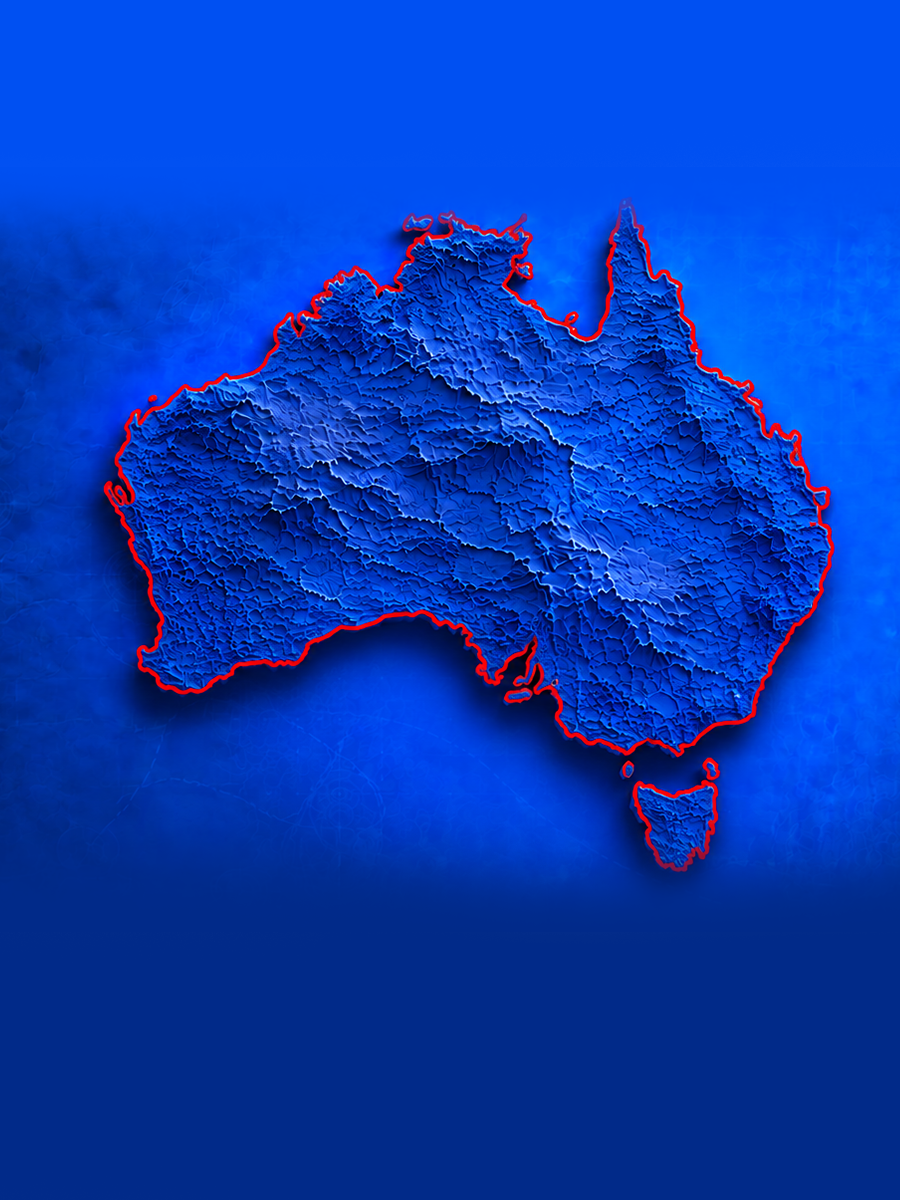
The first client was a mid-sized Australian freight forwarder operating from Brisbane and Sydney. Around 95% of its jobs were imports, yet supervisors still had difficulty seeing what individual users were working on, customer communication sat largely outside CargoWise, and order activity depended on manual handling.
The second was operating at an entirely different scale: a major Latin American logistics provider with more than 1,000 employees across 40 offices in 12 countries. CargoWise was already established across the network, but management did not have one consistent workflow model for tracking jobs, tasks and shipment progress across every location. Teams could manage the same type of work differently depending on the office handling it.
The scale was different. The underlying question was the same.
CargoWise already held the shipment information. How much of the work around that shipment could the system itself begin to organise, trigger, track and close?
That is where Advanced Workflows became the operating layer rather than simply another CargoWise feature.
Two Businesses. Two Different Workflow Problems.
For the Australian forwarder, the challenge was visibility at team level.
Managers could see the jobs being handled, but that did not automatically tell them what work was sitting behind those jobs, which user owned the next action, or how much operational capacity was tied up in particular activities. Communication happening outside CargoWise created another gap. The shipment event might already exist in the system, but the customer update still depended on someone noticing it and communicating separately. Orders were also being created manually, adding time before the operational workflow could properly begin.
For the Latin American provider, the challenge was consistency at network level.
A workflow model that depends heavily on experienced people and local practice can work extremely well inside one office. Across 40 offices, however, local variation becomes much harder to govern. Management needed a clearer view of important jobs and the individual tasks required to complete them, while the business wanted customer-facing tracking to become more consistent across the network.
The problem was therefore not simply “manual workflow.”
The Australian client needed greater control over who was doing what and what should happen next. The Latin American client needed to establish how the same core process should work across dozens of offices without removing the local flexibility the operation genuinely required.
That is a much more demanding Advanced Workflows problem.
Why SFL
Advanced Workflows can create tasks, milestones, notifications and dashboards. The difficult part is deciding what should be built into them.
Automating every existing step would simply reproduce the current process inside CargoWise. A task that adds no operational value remains unnecessary even when the system creates it automatically. A badly designed trigger simply creates noise faster. And a global workflow that ignores legitimate local differences will quickly be worked around by the users expected to follow it.
SFL’s role was therefore broader than configuration.
- Freight-process expertise allowed the team to understand the shipment lifecycle behind the workflow and determine which activities genuinely required user intervention.
- CargoWise Advanced Workflow capability covered task categorisation, templates, triggers, automated task linking, dashboards, roles and permissions, milestone automation and exception handling.
- Lean process redesign allowed unnecessary activity to be challenged before the future workflow was configured.
- Global-versus-local workflow design gave the larger client a common operational standard without assuming every country should work identically.
- Change-management capability meant users, sponsors and project teams were brought into the redesigned process rather than being handed a finished workflow at go-live.
That combination mattered because neither client was asking SFL to make CargoWise busier.
They wanted CargoWise to carry more of the operational coordination.
Client Story One: An Australian Import Operation Needed to See the Work Behind the Jobs
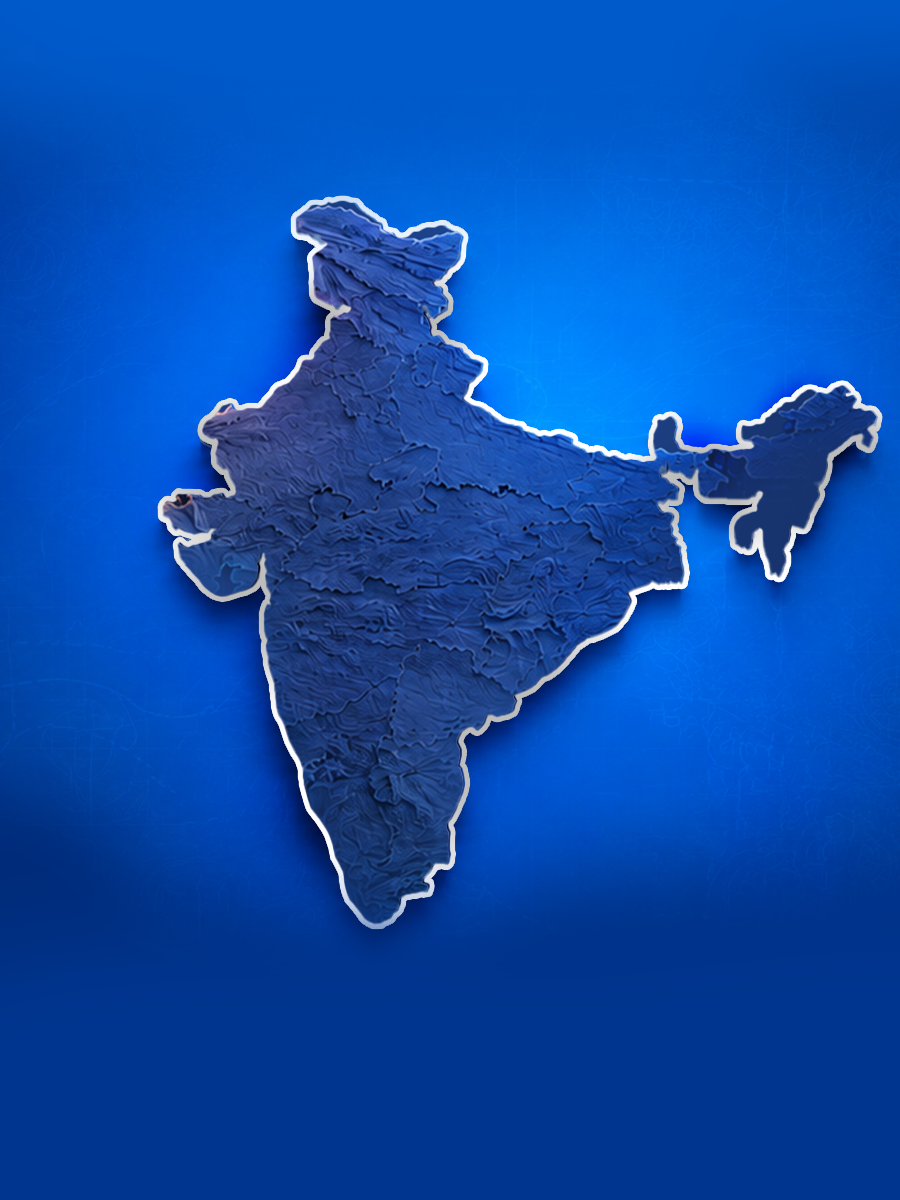
The Australian client is a mid-sized freight forwarder providing freight forwarding, Customs brokerage and 3PL services from Brisbane and Sydney. Approximately 95% of the jobs handled by the business were imports, making the ability to control and monitor import activity particularly important.
The immediate issue was not shipment visibility in the conventional sense. CargoWise already contained the jobs.
What managers could not easily see was the workflow behind them.
Supervisors found it difficult to establish which tasks individual users were carrying at a given time or to quantify the output behind those activities. That made workload management harder because an open job does not tell a manager whether the next action is routine, overdue, waiting on a customer or already sitting with another user.
Customer communication created a second break in the process. Updates were being managed outside CargoWise, which meant the operational event and the communication it should generate were effectively two separate processes.
Order creation added another manual layer.
For a business where imports represented almost the entire job mix, these were not isolated inconveniences. They sat directly inside the core operating flow.
What SFL Changed
SFL began by creating a clearer task structure around the import operation.
Tasks were designed to be easier for users to understand and for supervisors to manage, giving the business a better view of activity inside CargoWise and a more useful basis for management reporting. Rather than attempting to infer workload from job counts alone, managers could begin to see the actions sitting behind those files.
SFL then moved into the order-management process.
Automated tasks were introduced around the order lifecycle so less coordination depended on users manually carrying each order forward. The same structure improved visibility for the end customer because the operational process itself was becoming more visible and more consistently managed inside CargoWise.
The next step was to bring customer communication closer to the shipment event generating it. Milestone and trigger-based notifications were identified for automation so relevant updates could increasingly originate from CargoWise rather than relying on communication outside the system. The original engagement records this as a workstream that was still being progressed, rather than something already fully complete.
That sequence is important.
SFL did not begin with automated notifications. The operational task structure had to become clearer first. Once the system had a more reliable view of the work and milestones behind the shipment, customer communication could begin to use that same logic.
What Changed for the Australian Operation
The immediate gain was stronger operational clarity.
Supervisors had a clearer way to understand what users were working on and to use that information for management reporting. Automated order-management tasks reduced unnecessary manual coordination, while the move toward milestone-triggered communication began bringing customer updates back into the same system managing the shipment.
For a heavily import-driven business, that changed the role of CargoWise.
It was no longer simply where the job was recorded. It was beginning to become the place where the work behind the job was organised.
Client Story Two: Forty Offices Needed One Core Way to Manage Execution
The second engagement began with a very different scale problem.
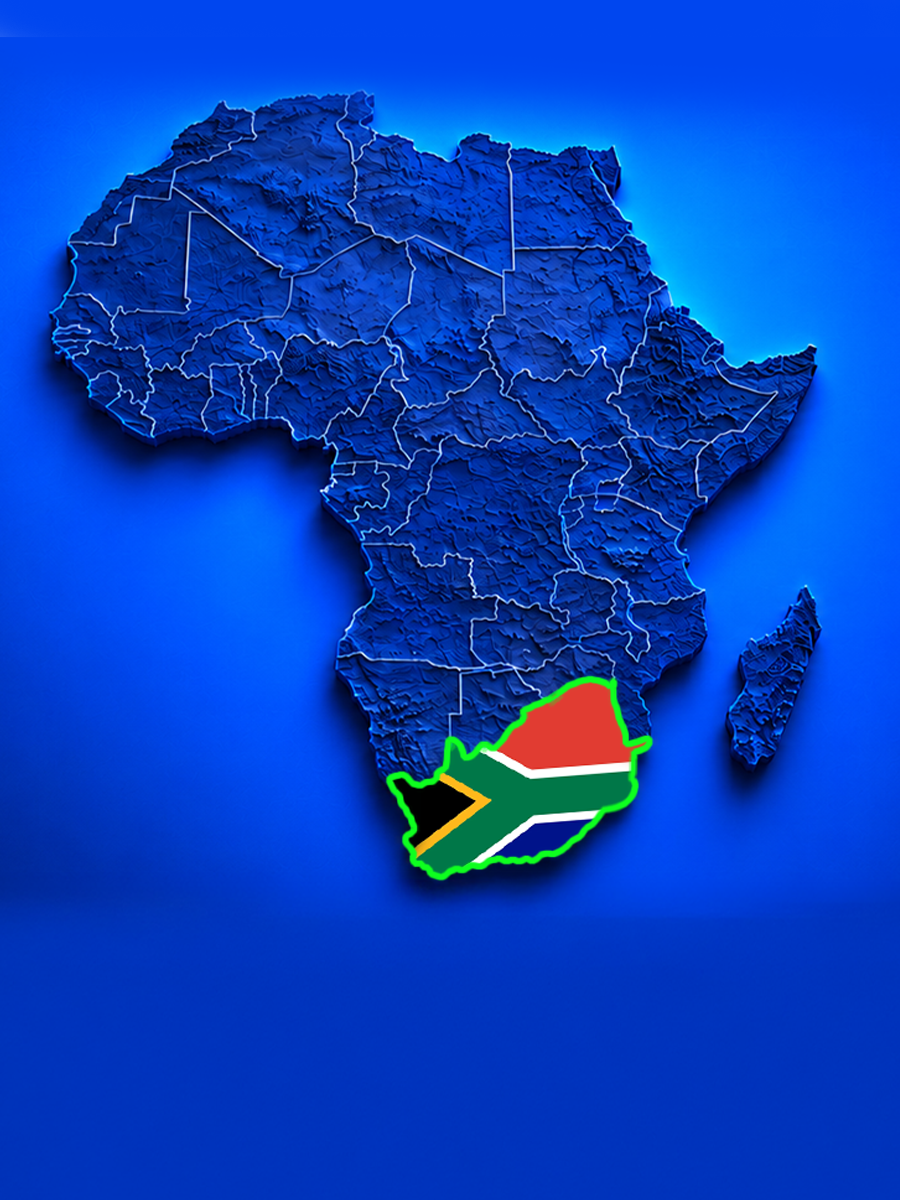
The client is a major Latin American logistics provider with a 26-year operating history, more than 1,000 employees and 40 offices across 12 countries. At the time of the original case study, it had been recognised among the region’s major freight operators and was handling significant ocean-freight volumes.
CargoWise was already part of the operation.
The challenge was what happened once that same platform was being used across a network of that size.
Large Operations and Customer Service teams needed to manage important jobs and the individual activities required to complete them, but management lacked one centralised workflow view across the organisation. Different teams could categorise, follow and coordinate activity differently, making it harder to understand where work was progressing normally and where intervention was required.
SFL’s current transformation material captures the issue more directly: the client wanted task categorisation, automated ocean-import tracking, centralised workflow visibility and automated task closure across an environment of more than 1,000 users and 40 offices.
This was no longer about making individual users more productive.
It was about making a large operation more governable.
SFL Did Not Start by Automating Forty Offices
The first decision was where to start.
Rather than attempting to redesign every workflow across every department at once, SFL reviewed the existing processes and departments and established evaluation criteria for where Advanced Workflows would create the greatest value.
Ocean imports was selected as the initial focus.
That gave the project a defined operational process through which the wider Advanced Workflow model could be designed and tested.
SFL mapped the existing process and used Lean principles to improve the future state before translating it into CargoWise. The team then separated the activities that should become part of a global standard process from scenarios where localisation was genuinely required.
That design choice is critical in a 12-country operation.
If every office is allowed to create its own workflow, CargoWise becomes a common system carrying dozens of different operating models. But if every local variation is removed in the name of global consistency, the workflow stops reflecting the reality of operating freight across different countries.
SFL created the middle ground: one core operating logic, with localisation designed rather than accumulated.
A pilot model and phased rollout roadmap were then developed so the workflow could be proven before being extended across the wider network.
Turning the Process Into Advanced Workflows
Once the future-state ocean-import process was defined, SFL began configuring the execution layer.
Tasks were categorised according to the work required to progress the shipment, with templates providing greater consistency in how those activities were created and managed. Roles and permissions aligned responsibility with the relevant users, while dashboards gave managers a clearer view of what was happening across the workflow.
The next step was the one that gave Advanced Workflows its real value: connecting those tasks to the events already taking place inside the shipment.
SFL linked workflow activity to the operational events driving freight movement and container handling. That allowed the system to do more than remind people that something should happen. Where the shipment event itself showed that the activity had progressed, the workflow could respond to that information.
Ocean-import tracking was automated from departure through arrival.
Instead of individual users repeatedly checking the same shipment to establish whether it was still moving as expected, the workflow could increasingly use the underlying shipment events to progress the process. Where an event required attention, it could become visible through the workflow. Where predictable activity had already occurred, the system could move the job forward without asking someone to reconfirm what CargoWise already knew.
That is the point at which Advanced Workflows moves beyond task management.
It begins to create Management by Exception.
From Local Tracking to Centralised Operational Visibility
The Brazilian operation provides a useful example of what changed next.
SFL created a centralised structure for tracking teams, giving management greater visibility into workflow activity and making it easier to understand how work was progressing across the operation.
At the wider group level, task categorisation and linked processes created greater coordination between teams and offices. Ocean-import tracking could operate through a more consistent sequence, while customers benefited from more current shipment information generated from that same underlying process.
The importance of the dashboards came later.
SFL did not begin by building a management screen and then attempt to populate it with inconsistent operational data. The process was standardised first. Tasks and ownership were structured around it. Shipment events were connected to those tasks. Once those foundations existed, management visibility became far more useful because the information being surfaced had a consistent operational meaning.
A dashboard could now tell management not merely that a shipment existed, but where the required work around that shipment stood.
The Results
Across the two clients, Advanced Workflows solved different problems but changed the same underlying dependency: less of the operation relied on individuals manually carrying work from one event to the next.
- Australian client — stronger workload visibility: supervisors gained a clearer view of user tasks and a more structured basis for management reporting.
- Australian client — more automated order management: system-driven tasks reduced the manual coordination surrounding order activity and improved visibility for the end customer.
- Australian client — customer communication moving into CargoWise: milestone and trigger-based notifications were being introduced to reduce the amount of communication managed outside the platform.
- Latin American client — process consistency across 40 offices and 12 countries: a common Advanced Workflow model created greater control over how core ocean-import activity was managed across the network.
- Latin American client — ocean-import tracking automated: shipment tracking from departure through arrival became part of the CargoWise workflow rather than a separate manual activity.
- Latin American client — centralised workflow visibility: management gained a clearer view of operational activity, with the Brazilian operation using a centralised structure for team tracking and workflow oversight.
- Latin American client — automated task closure introduced: events within the operational process could progress or close activity without users manually confirming information already available to the system.
SFL’s transformation material also records 20% faster turnaround on logistics tasks from its Advanced Workflow work, alongside stronger operational visibility from container pickup through final delivery.
Advanced Workflows Should Not Stay Static
Once workflow logic becomes part of day-to-day execution, it has to evolve with the business.
Customers change service requirements. Trade lanes introduce different milestones. Teams restructure. Recurring exceptions become candidates for new automation. Tasks that once protected an important control can eventually become unnecessary.
If the workflow remains fixed while the operation changes, users begin creating workarounds around it—and the visibility gained through the original implementation gradually weakens.
That is why Advanced Workflow governance continues beyond the initial implementation through Care by SFL. Workflow triggers, dashboards, task structures and exception patterns can continue to be reviewed against the live CargoWise environment, so automation evolves with the operation rather than becoming another legacy process inside it.
The objective is not to keep adding more tasks.
It is to keep reducing the amount of work that needs to be managed manually in the first place.
Is CargoWise Tracking Your Freight—or Directing the Work Around It?
There is a significant difference between having shipment visibility and having operational control.
If supervisors still need separate meetings to understand workload, routine milestones are being checked manually, customer updates depend on individual follow-up, or offices have developed different ways of managing the same shipment, CargoWise may be holding the data without yet carrying enough of the workflow.
SFL Tech helps freight forwarders redesign that operating layer through CargoWise Advanced Workflows—from process review and task architecture through triggers, milestones, exception logic, dashboards, user roles, change management and ongoing optimisation.




.png)

.png)
.png)