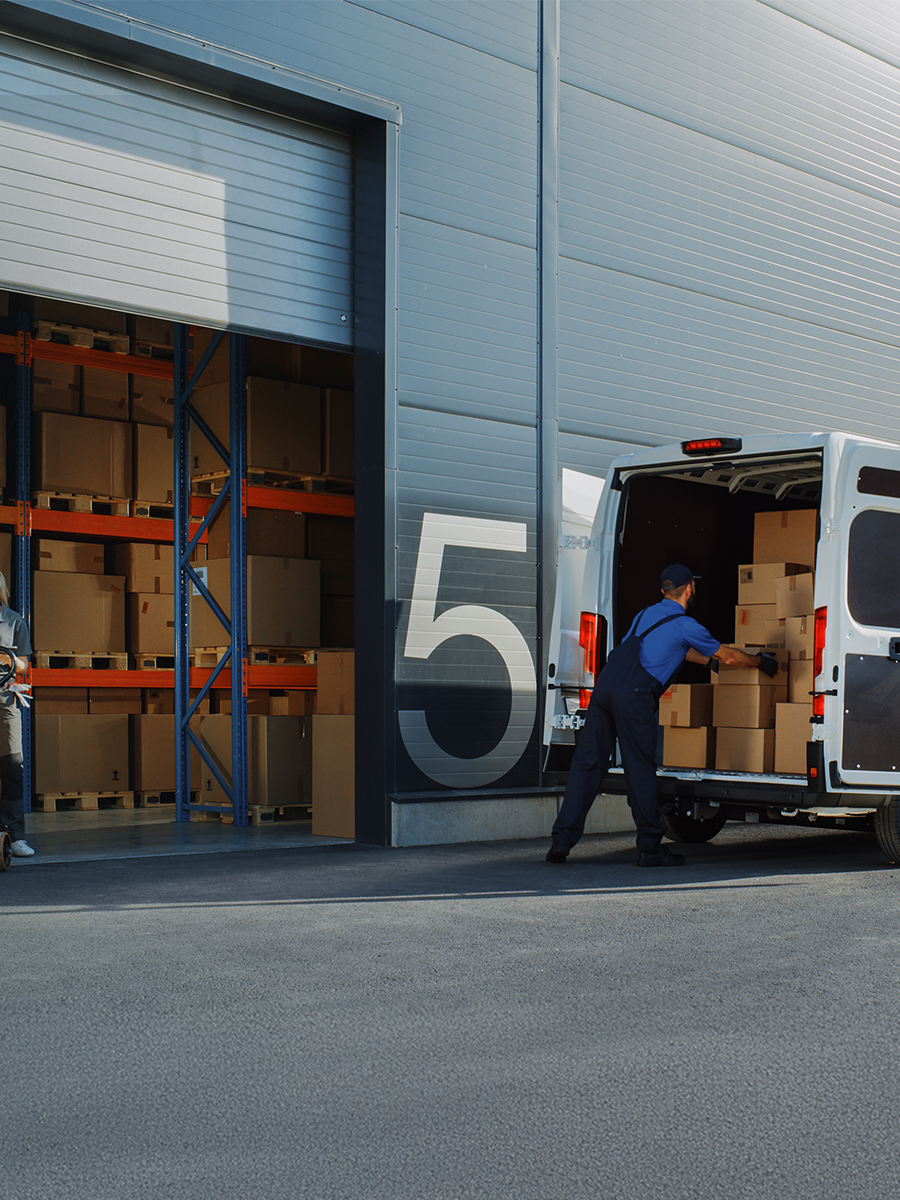


The logistics industry will certify you in customs compliance, dangerous goods handling, TMS configuration, and half a dozen platform specialisations before lunch. It will invest in warehouse automation, AI integration, and digital transformation without flinching. What it almost never does is formally teach the person running the floor how to lead the people on it.
And it shows. Everywhere.
The best operator gets promoted. Nobody questions it. They know the freight, they know the systems, they know every compliance wrinkle and every carrier lane. Six months into the new role, three good people have left and the ones who stayed have gone quiet. The operation still runs. But something underneath it has shifted, and the new leader can't quite name what went wrong because nobody told them the job had fundamentally changed.
This is the pattern playing out across freight businesses globally, and it is quietly one of the most expensive problems in the sector. Gallup's research has been consistent on this for over a decade: 70% of the variability in a team's engagement traces directly to their manager. Not compensation. Not benefits. Not the technology stack. The person in charge of the people.
The gap nobody built a training programme for
Operational competence and people leadership are fundamentally different skill sets. Knowing how to route a shipment, clear a consignment, or configure a workflow doesn't prepare you for the moment a high-performer tells you they're thinking about leaving. Or the moment you realise your team has stopped volunteering ideas. Or the conversation where someone needs honest feedback and the wrong delivery will either lose them or shut them down.
Most logistics leaders learn this on the job, by trial and error, absorbing whatever habits their own managers modelled, good and bad. Some figure it out. Many don't. And the ones who don't aren't failing because they lack ability. They're failing because they were handed a role that requires skills they were never trained in and then judged on outcomes they were never equipped to deliver.
Manager engagement has dropped 9 points since 2022, the steepest decline in any segment of the global workforce. Not because managers don't care. Because they're overwhelmed, undersupported, and carrying a span of responsibility that keeps expanding without any corresponding investment in their capacity to handle it.
In logistics, that span is particularly brutal. Operational precision, people development, compliance oversight, technology adoption, client management. All running simultaneously. All urgent. All measured.
What the best operations actually look like from the inside
Walk into a logistics operation where the leader has figured out the people side, whether by training or by instinct, and you notice it immediately. Problems get raised early instead of hidden. People troubleshoot before things escalate rather than waiting for instructions. The experienced staff are coaching the newer ones without being asked. There's a pace and a confidence to the floor that isn't about pressure. It's about trust.
Walk into one where the leader is still operating like the best individual contributor who happens to have a team reporting to them, and you see the opposite. Everything funnels through one person. Decisions wait. Information travels slowly. The capable people do their jobs and nothing more, because nobody has given them a reason to do anything beyond what's required.
The difference between those two operations isn't systems or process or headcount. It's four behaviours, and the research on them is remarkably consistent.
What Separates the Best Leaders on the Floor
- Coaching in real time, not auditing after the fact. Teams that receive consistent, in-the-moment guidance self-correct before problems compound.
- Recognising effort specifically and immediately. Not quarterly programmes. Not generic praise. Noticing when someone handles something well and saying so, right then.
- Communicating the why behind decisions, not just issuing them. Teams that understand context execute faster than teams that simply receive instructions.
- Trusting experienced professionals to determine how they deliver, not prescribing every step. Autonomy within clear parameters builds ownership. Micromanagement builds dependency.
None of this is revolutionary. None of it requires a six-figure consulting engagement. But it does require treating people leadership as a discipline worth investing in rather than something you hope the best operator will just pick up along the way.
The part that rarely makes the conference stage
There's a dimension to this that the industry is genuinely uncomfortable discussing. The person carrying the most pressure in a logistics operation is almost always the one least supported in managing it.
Leaders in the 2026 Gallup data report significantly higher levels of daily stress, anger, sadness, and loneliness than individual contributors. They absorb operational pressure from above and emotional weight from below. In logistics, where the pace is relentless and the margin for error is thin, this creates a compounding problem. A leader running on empty doesn't coach. They check. They don't communicate context. They issue directives. They don't build trust. They default to control.
And every person on their team feels it.
The Uncomfortable Truth
You cannot build an engaged team from a place of burnout. The leader's composure, clarity, and capacity aren't personal matters to be managed quietly. They are operational inputs. They affect the speed, accuracy, and stability of every team that person touches.
The industry talks fluently about system resilience, contingency planning, and supply chain risk. Applying that same thinking to the humans running those systems remains, for most freight businesses, an afterthought.
This is infrastructure, not culture fluff
There's a reason the best-performing organisations in any global dataset produce manager engagement figures nearly 4 times the global average. It isn't because they hire different people. It's because they build the infrastructure around their leaders that turns good operators into good people managers.
Leadership development. Structured coaching frameworks. Reduced administrative load so managers actually have time to manage. Honest feedback loops that don't punish vulnerability. Career pathways that give leaders a reason to stay and grow rather than burn out and move on.
Every warehouse automation project, every AI deployment, every platform migration depends on teams that are engaged enough to execute on the promise. The technology doesn't deliver value on its own. The people operating it do. And the person most responsible for whether those people are engaged or checked out is the one standing closest to them every day.
The freight businesses investing in that person, giving them the skills, the support, and the breathing room to actually lead, aren't running softer operations. They're running faster ones. More stable ones. Operations that retain institutional knowledge instead of cycling through it every 18 months and wondering why the same problems keep resurfacing.
The most expensive skill gap on the floor was never technical. It was always human. And the leaders who close it first will be running operations that everybody else spends the next decade trying to understand.
.png)
.png)

.png)

.png)





.png)
.png)






.png)
.png)

.png)



.png)









.png)



.png)












.png)











.png)



.png)
.png)