
How SFL helped a major US freight forwarder consolidate Finance in CargoWise, automate operational processes, improve tracking accuracy from 35% to 90%, and build a stronger digital experience for its customers.
The client came to SFL with a clear objective. CargoWise was already supporting its freight operation, but Finance was still working across separate accounting environments. The company wanted to simplify that structure and bring more of its financial activity into the same system running the operation.
SFL began there: auditing the existing Finance setup, identifying where the CargoWise configuration could work harder, realigning the financial structure with the client's leadership team, and migrating accounting activity into CargoWise. Where another finance environment still needed to remain connected during the transition, SFL built the integration required to keep information moving.
The first phase did what it was meant to do. Finance moved towards a more consolidated operating model built around CargoWise.
It also changed the nature of the relationship.
Having seen what SFL could do inside the platform, the client came back with a broader brief: where else could CargoWise remove work from the operation, and how could the business turn better internal execution into better visibility for its customers?
That question shaped the next two years.
The Client
The client is an established international freight forwarding and logistics provider founded in 2000 and headquartered in New York, with operations extending across the United States, Middle East and Asia. Its network includes offices in New York, Los Angeles, Houston, Dubai, Vietnam and India, supporting international freight and logistics requirements across sectors including chemicals, fashion and retail, construction and mining, power generation, food service, and oil and gas.
It is the kind of forwarding business where execution and information have to move together. Customers are not only buying the physical movement of freight; they expect to know where cargo is, what has happened to it, what is due to happen next, and how that movement is affecting cost and delivery.
CargoWise already sat at the centre of the freight operation. The opportunity was to extend that value further across the business.
The Problem: Finance Was Still Sitting Outside the Core Operation
The immediate issue was Finance.
While freight activity was being managed through CargoWise, accounting processes remained distributed across separate finance systems. That created unnecessary separation between the operational activity taking place on a job and the financial activity generated by it.
SFL's initial assessment went beyond moving data from one system to another. The team conducted a Finance system audit and GAP analysis of the client's CargoWise environment, examining how the platform was being used, where the existing setup was limiting efficiency and how the Finance structure could be better aligned with the company's wider operating model. SFL's original project documentation records this as both a system audit and a strategic realignment of the Finance structure with the client's leadership team.
That distinction was important. Simply migrating the existing accounting structure would have transferred the same operating model into a different system. The better opportunity was to use the migration to simplify it.
The SFL Solution: One Improvement Became the Foundation for the Next
The engagement developed in four deliberate phases. The client did not commission all four at the outset. Each phase delivered enough value and confidence to justify moving into the next area of the operation.
Phase One: Consolidating Finance Around CargoWise
SFL first addressed the financial structure itself.
Following the Finance audit and GAP analysis, SFL worked with the client's leadership team to realign the setup around how the business wanted Finance to operate going forward. Accounting activity from one legacy finance environment was migrated into CargoWise, while another required an integration to maintain continuity before its accounting processes could also be transitioned.
The objective was the opposite: bring Finance closer to the operational source of the activity it was accounting for, and make CargoWise a more complete part of the client's financial operating model.
Once that structure was in place, the client began operating its Finance function through CargoWise.
The engagement could have ended there. Instead, the success of the Finance work prompted the client to ask SFL to look at the operation more broadly.
Phase Two: Taking Manual Work Out of the Operation
The next focus was not another system migration. It was the work happening around CargoWise every day.
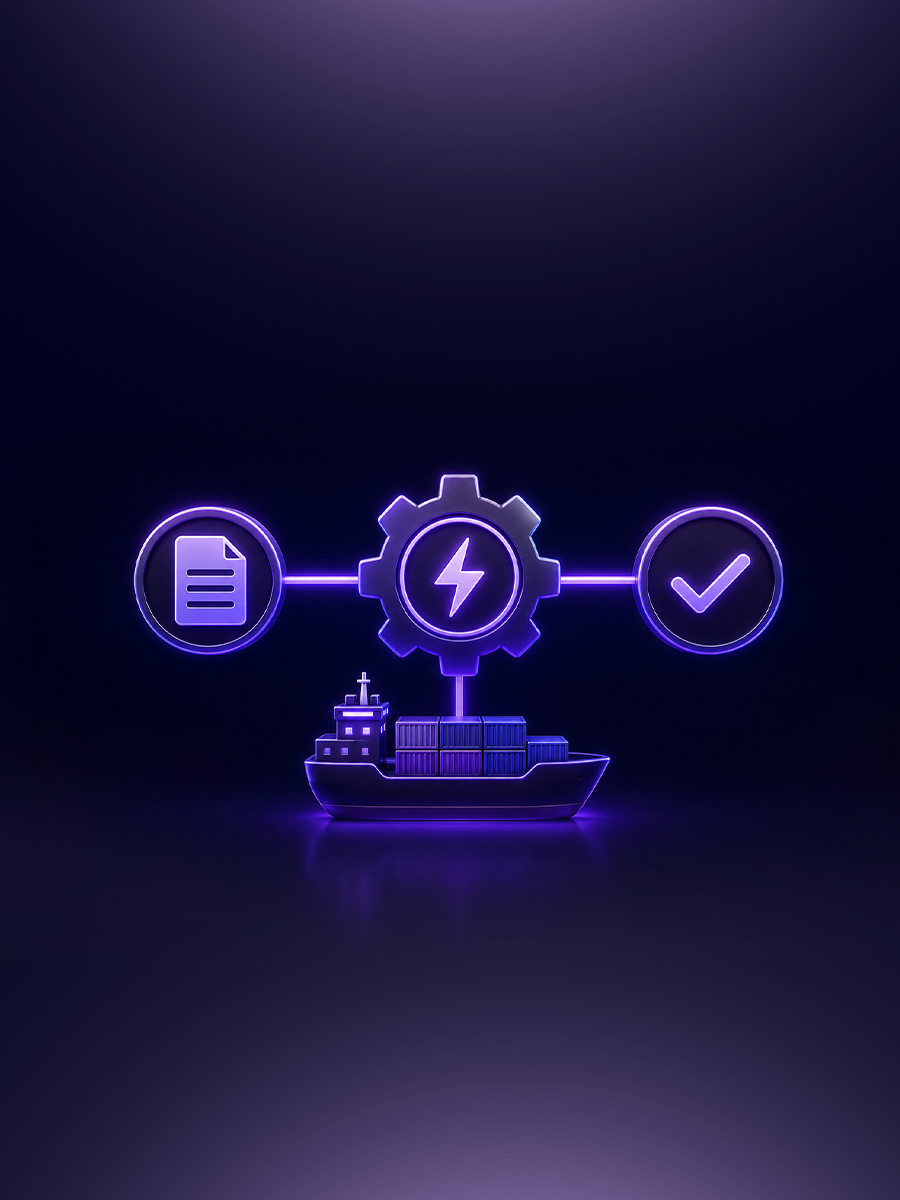
SFL reviewed operational processes to identify activities that could be handled more effectively through the platform itself. Workflows and automation were configured inside CargoWise so that repeatable activities could move through a more structured process, reducing reliance on manual handling and helping the client move towards a more paperless operation.
This was an important progression in the programme. The value of an ERP does not increase simply because more people use it; it increases when more of the right work is designed to move through it without unnecessary intervention.
For the client, that meant using CargoWise not only to record what had happened operationally, but increasingly to govern how work progressed.
As those processes became more structured, the next priority was clear: the information being created inside the operation had to become more dependable and more useful outside it.
Phase Three: Building Tracking That Could Support Real Customer Visibility
The client wanted stronger shipment visibility, but SFL did not start by building the customer-facing layer.
First, the information feeding it had to be reliable.
Tracking processes were established inside CargoWise, but maintaining them consistently required ongoing operational attention. Shipment events had to be monitored, outstanding activities followed through, records maintained and exceptions resolved. The client did not have the internal resources available to give that work the dedicated ownership it required.
At the time, tracking accuracy was approximately 35%.
SFL combined the CargoWise setup with a different part of its capability: dedicated BPO support. Resources were assigned to monitor the relevant tasks, maintain records, manage data activity and deal with exceptions that automation could not resolve. Those responsibilities are consistent with the BPO scope documented in SFL's original engagement material, which included automation exceptions, record maintenance and data-entry management.
The combination mattered. CargoWise provided the process and structure; the dedicated team provided the discipline required to keep the information current.
Tracking accuracy rose from approximately 35% to 90%.
That improvement changed the value of the data completely. Shipment information was no longer something the operation simply maintained for itself. It had become reliable enough to support the next part of the client's ambition: putting that visibility directly in front of its customers.
Phase Four: Turning Operational Visibility Into a Customer Service
By this stage, the client had already strengthened Finance, automated more of the operation and materially improved the quality of its tracking data.
The next step was to make that information easier for customers and other stakeholders to access.
Until then, service teams still played a significant role in distributing routine shipment updates between customers, suppliers, buyers, agents and other parties. The client wanted a more direct model: a digital environment where stakeholders could access the information they needed without every update having to travel through an email or service-desk interaction.
SFL developed connected web and mobile solutions around the client's CargoWise environment. Shipment information maintained in CargoWise could flow through to the customer-facing layer, allowing users to access visibility without creating a separate operational record that had to be maintained independently.
The solution developed beyond basic tracking. SFL's original project material records functionality including shipment tracking, an analytics dashboard, sailing schedules and quote requests, bringing several customer interactions into the same digital environment.
That architecture was the important part. SFL was not placing a polished interface over unreliable information. The work had happened in the opposite order: strengthen the processes and data inside the operation first, then give the customer a clearer window into them.
The client's digital proposition today reflects how central that visibility has become. Its customer environment now promotes real-time cargo tracking, purchase-order management, shipment documentation, reporting and online financial information as part of its technology offering.
The Results
What started as a Finance optimisation engagement ultimately created a more connected operating model around CargoWise.
- 35% → 90% tracking accuracy
Dedicated process ownership, CargoWise tracking configuration and BPO support produced a 55-percentage-point improvement in tracking accuracy.
- Finance consolidated around CargoWise
Accounting activity previously distributed across separate finance environments was progressively migrated and realigned around the client's core ERP.
- More operational work moved into CargoWise
Workflow automation reduced reliance on manual and paper-based processes, allowing the system to take a more active role in how work progressed.
- Customer visibility moved closer to self-service
A connected web and mobile environment gave customers and other stakeholders direct access to shipment information rather than making routine visibility entirely dependent on service-team communication.
- Back-office execution gained dedicated ownership
SFL resources supported automation exceptions, record maintenance and data activity, helping ensure the processes configured in CargoWise continued to work in practice.
SFL also extended helpdesk support across areas including Forwarding, Finance, registry configuration, security rights and workflow, giving the client an ongoing support layer as the role of CargoWise expanded across the business.
Why SFL
The strongest proof of the relationship is how the scope evolved.
The client initially selected SFL for a Finance requirement. SFL was then trusted with operational optimisation, tracking, BPO support and eventually the digital experience being presented to the client's own customers.
That progression required more than technical knowledge of individual CargoWise modules. Each phase crossed into a different part of the business, yet it still had to connect cleanly to what had already been built. Finance configuration affected the underlying operating structure. Workflow automation affected execution. Execution affected the quality of tracking. Tracking quality determined whether customer visibility could be trusted.
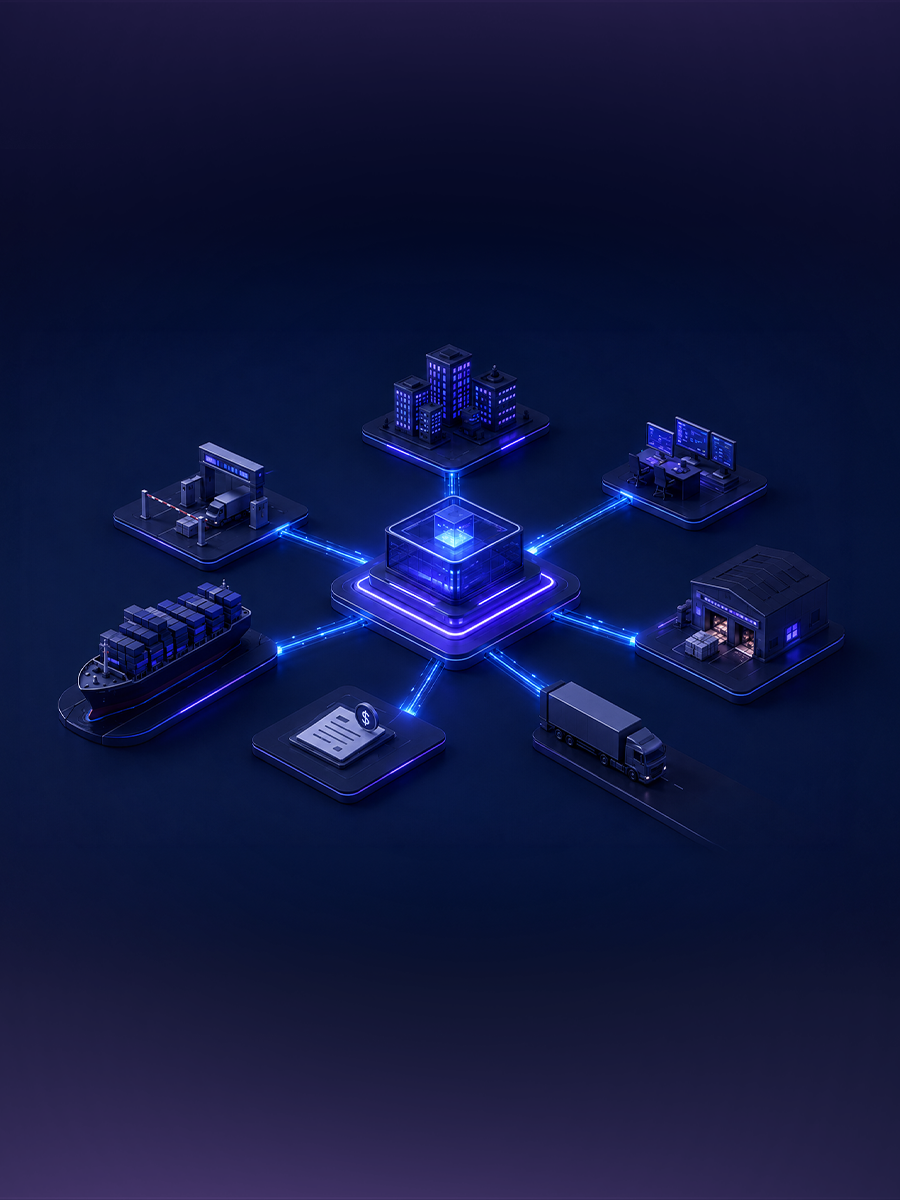
SFL could follow that chain because the capability sat across the same chain: CargoWise Finance and operations, workflow automation, integrations, back-office services, support and customer-facing technology.
The client itself described that relationship simply:
“We felt as though we had an actual partner during our onboarding period — and we will continue to work with them in the future.”
From Running CargoWise to Building More of the Business Around It
There is a tendency to treat ERP optimisation as a list of separate projects: a Finance project, an automation project, a tracking project, a portal project. This engagement demonstrates why that can miss the larger opportunity.
For this client, the value accumulated because the sequence was connected. Finance was consolidated before the business pushed further into operational optimisation. Operational processes were strengthened before reliable tracking became the focus. Tracking accuracy was improved before shipment information was opened up more directly to customers. Each investment therefore built on a stronger operating foundation than the one before it.
Over approximately two years, CargoWise moved from being primarily the system running the freight operation to playing a much broader role across Finance, workflow execution, shipment visibility and the customer experience.
That is the more important outcome of the engagement. SFL did not make the original requirement bigger. It delivered the requirement, earned the client's confidence and then helped the business capture more value from an environment it had already invested in.
Is More of Your Operation Ready to Move Through CargoWise?
For mature CargoWise users, optimisation is rarely about replacing what already works. It is about finding where important processes are still happening outside the platform, where routine work continues to require unnecessary intervention, or where good operational data is not yet translating into useful customer visibility.
SFL Tech works across those connected areas—from Finance and process optimisation to workflows, integrations, managed operational support and digital customer solutions—so the next stage of improvement can be designed around the operation as a whole rather than treated as another isolated project.








.png)


.png)
.png)