

Forget incremental patches. The platform developments that matter in 2026 are structural, and they're moving faster than most operations are configured to absorb.
There was a time when CargoWise product updates meant minor workflow tweaks and regional compliance patches. Useful, but not the kind of thing that changed how a logistics business runs.
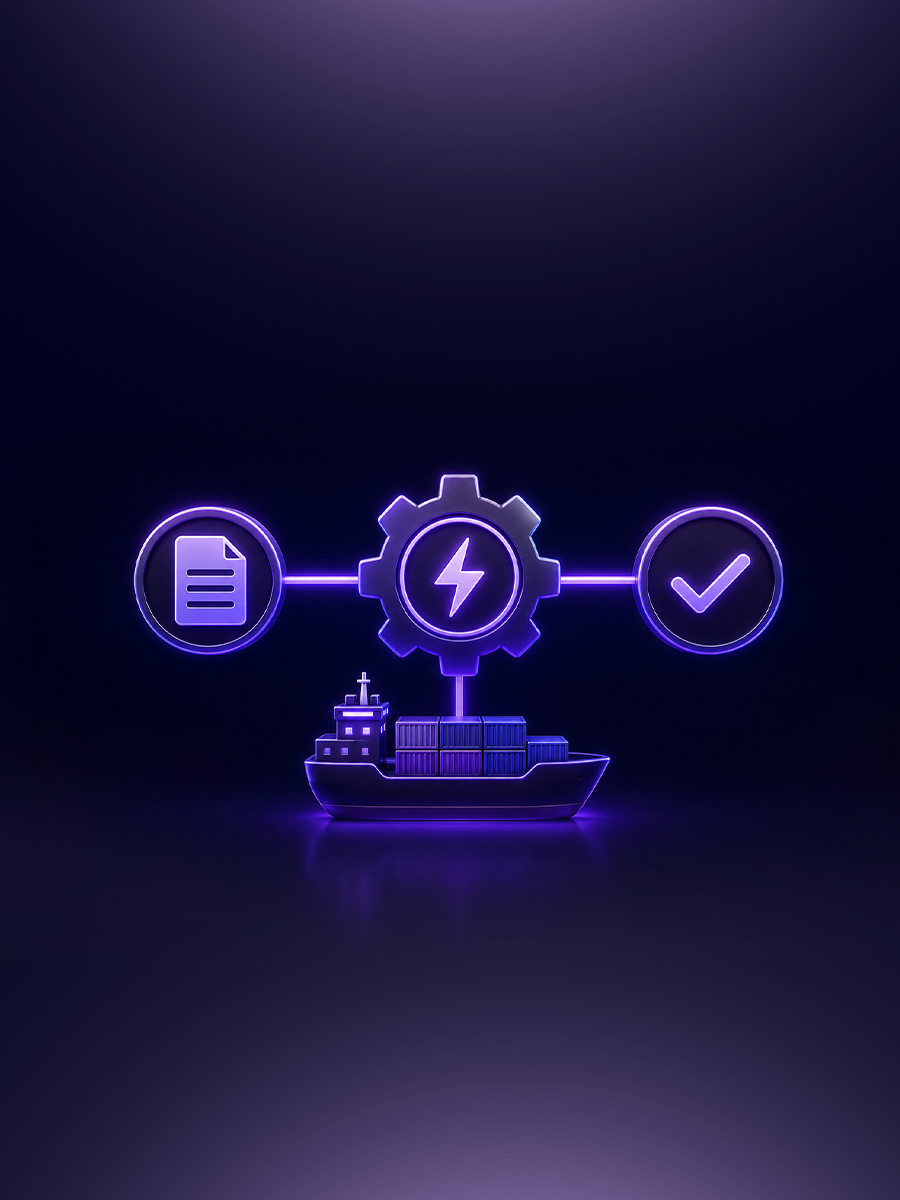
That era is over. The updates WiseTech has pushed into the platform over the past twelve months represent a fundamental shift in what CargoWise is designed to do — from a system of record that manages shipments to a system of intelligence that executes them. And the gap between operations that are absorbing these capabilities and those that haven't looked at their configuration since go-live is widening fast.
Here are the developments worth paying attention to — and what they actually mean for your operation.
Agentic AI: the platform is starting to do the work
This is the headline shift. CargoWise has introduced purpose-built AI agents that don't just assist operators — they execute tasks autonomously and hand back the result.
SARA (Smart Auto Request Agent) reads inbound customer emails and attached documents, identifies what's missing or incomplete, contacts the importer or exporter directly to request the information, and returns the completed package to the operator. No human in the loop until the information is ready to act on. WiseTech CEO Zubin Appoo put it plainly: the agent "takes humans out of that process entirely."
Auto Job Creation picks up where SARA leaves off. Once the documentation is complete, this agent registers the job in CargoWise, ingests the commercial documents, and initiates compliance checks with AI-assisted classification — all before an operator touches it.
The target WiseTech has stated publicly: up to 50% labour cost savings for logistics providers through these agentic capabilities.
That's not a feature update. That's an operating model shift. The businesses that configure and adopt these agents will be running fundamentally different cost structures to those that don't. And the agents are being delivered through the Value Pack pricing model — which means for operations already on Value Packs, the capability is there. It just needs to be switched on, tested, and governed.
ComplianceWise: AI-powered export compliance screening
Compliance has always been one of the highest-risk, most labour-intensive functions in forwarding and customs brokerage. Sanctioned party screening, export control classification, dual-use goods assessment, route diversion risk — the volume of checks required per shipment is significant, and the cost of getting one wrong is severe.
ComplianceWise deploys AI agents trained on control lists and sanctioned entity databases to research and classify commodities automatically, screen trading parties, evaluate shipping routes, and flag risks with what WiseTech describes as "high precision and reliability." In testing against human experts, the system showed no measurable difference in what gets flagged as high risk.
The operational impact goes beyond speed. Every flag raised, every recommendation made, every decision taken is automatically recorded — creating a continuous audit trail that eliminates the need for separate compliance documentation. That alone removes hours of administrative work per week in most brokerage environments.
The shift for compliance teams is strategic: from manually screening every shipment to evaluating the exceptions the system flags. The routine work is handled. The judgment calls — fraud detection, deliberately obscured end-uses, novel regulatory scenarios — stay with the people who have the expertise to make them.
Electronic Bills of Lading: the paper is finally going away
The logistics industry has been talking about paperless trade for two decades. CargoWise has actually built it.
The platform now supports both Electronic Master Bills of Lading (eMBL) and Electronic House Bills of Lading (eHBL), integrated directly into the operational workflow — not through a separate portal or bolt-on solution. Forwarders create and issue electronic house bills from shipment data, publish them instantly to customers, and manage title transfer through a secure digital registry where every transaction is encrypted, hashed, time-stamped, and auditable.
For master bills, operators can request carrier-issued eMBLs directly in CargoWise, view the current holder in real time, transfer title securely, and surrender electronically to trigger cargo release. Major carriers including Maersk, MSC, Hapag-Lloyd, and CMA CGM are live, with port coverage expanding rapidly across Singapore, Rotterdam, Dubai, Mumbai, and beyond.
The practical impact is immediate: cargo released without paper delays. No courier dependency. No physical documents sitting in a drawer waiting for someone to action them. Faster validation for trade finance. Quicker settlement. Earlier access to working capital. And full alignment with DCSA, FIATA, ICC, BIMCO, and FIT Alliance standards — which matters when your compliance team asks whether digital documentation meets regulatory requirements. It does.
Invoice Processing Portal: accounts payable gets automated
Finance teams in logistics have been manually processing vendor invoices for as long as the industry has existed. CargoWise's Invoice Processing Portal applies AI-driven document capture to automate the accounts payable cycle — capturing invoices, extracting data, matching against jobs and cost estimates, reconciling discrepancies, and routing exceptions for review.
The result is a direct reduction in manual AP processing hours, improved accuracy on cost allocation, and real-time visibility for finance leaders into payables status across the operation. For CFOs who've been asking why it takes three people and a week to close the month, this is the answer — or at least, a significant part of it.
The portal also closes a gap that's existed in most logistics operations forever: the disconnect between the operations team that incurs the cost and the finance team that processes the invoice. By automating the matching and reconciliation within the platform, both teams are working from the same data in real time.
CargoWise Neo: your clients can see what you see
Neo has been in the platform for a while, but recent enhancements have turned it from a basic tracking portal into a genuine client command centre. Real-time shipment tracking with interactive mapping. Colour-coded departure, arrival, and disruption alerts. Direct e-conversation between clients and your operations team at the shipment level. Self-service quoting and booking. Warehouse inventory visibility with cargo arrival alerts. Declaration management. Invoice and statement access.
The significance isn't any single feature — it's the aggregate. Neo gives your clients a self-service experience that eliminates the phone call, the status-update email, the "can you send me the invoice?" request. It turns your CargoWise investment into something your clients can see, use, and value — which makes it a retention tool, a sales differentiator, and a reason for digitally sophisticated shippers to choose you over a competitor who's still operating by email.
Brand customisation means it looks like yours, not WiseTech's. And because it's natively integrated — not bolted on — the data your clients see is the same data your ops team is working from. No sync delays. No version discrepancies. No "let me check and get back to you."
What this means for your operation
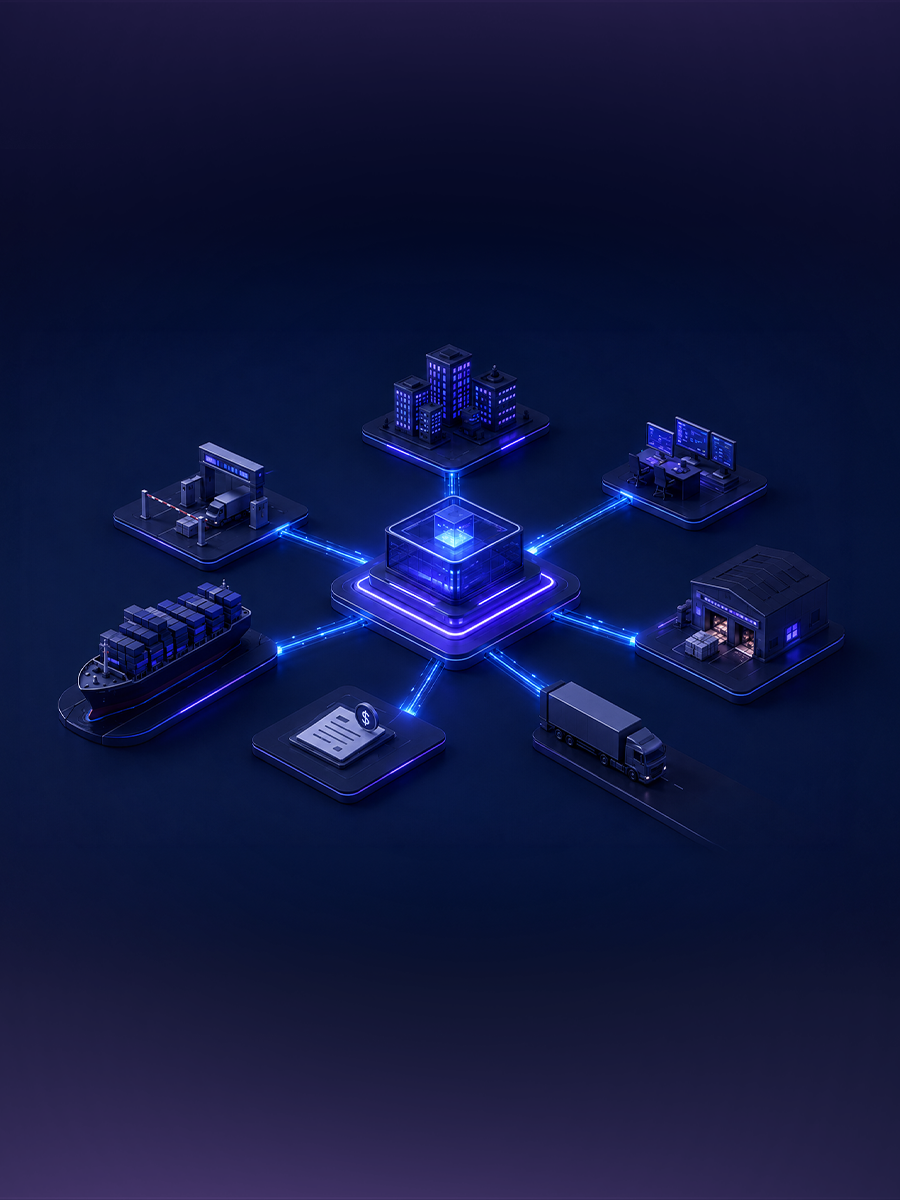
The common thread across every one of these updates is the same: the platform is doing more. More of the routine work. More of the compliance burden. More of the document processing. More of the client-facing communication. The question for every CargoWise operation isn't whether these capabilities exist — they do. It's whether your environment is configured to use them, your team is trained to govern them, and your business processes have been redesigned to take advantage of what the platform now handles autonomously.
That's the gap. Not a technology gap. A configuration and operational readiness gap. And it's the difference between a CargoWise environment that costs money and one that makes it.
SFL Tech is a CargoWise All-Platinum accredited service partner with 800+ implementations and 60+ CargoWise Certified Professionals globally. If your CargoWise environment hasn't been reviewed against the platform's current capability set, we can show you exactly where the gaps are — and what closing them is worth.
Sources:








.png)


.png)
.png)